Improving Memory and Focus: How Strategy Games and Cognitive Challenges Contribute to Mental Health
The Impact of Strategy Games on Cognitive Health
In a world where distractions abound and the pace of life continues to accelerate, it’s no surprise that many individuals find it increasingly challenging to maintain their sharp memory and unwavering focus. Traditional methods for mental health improvement, such as meditation and physical exercise, are important; however, an intriguing alternative lies within the captivating universe of strategy games and cognitive challenges. These games do much more than offer fleeting moments of enjoyment—they serve as powerful tools for strengthening mental acuity and enhancing overall well-being.
Research shows that engaging in strategy games yields significant cognitive benefits. One notable advantage is memory enhancement. For instance, puzzles and board games that require players to remember specific rules or layouts tap into the brain’s retrieval systems. Regular participation in these activities can lead to improved information retention; many players find themselves recalling important details more easily in both academic and personal settings.
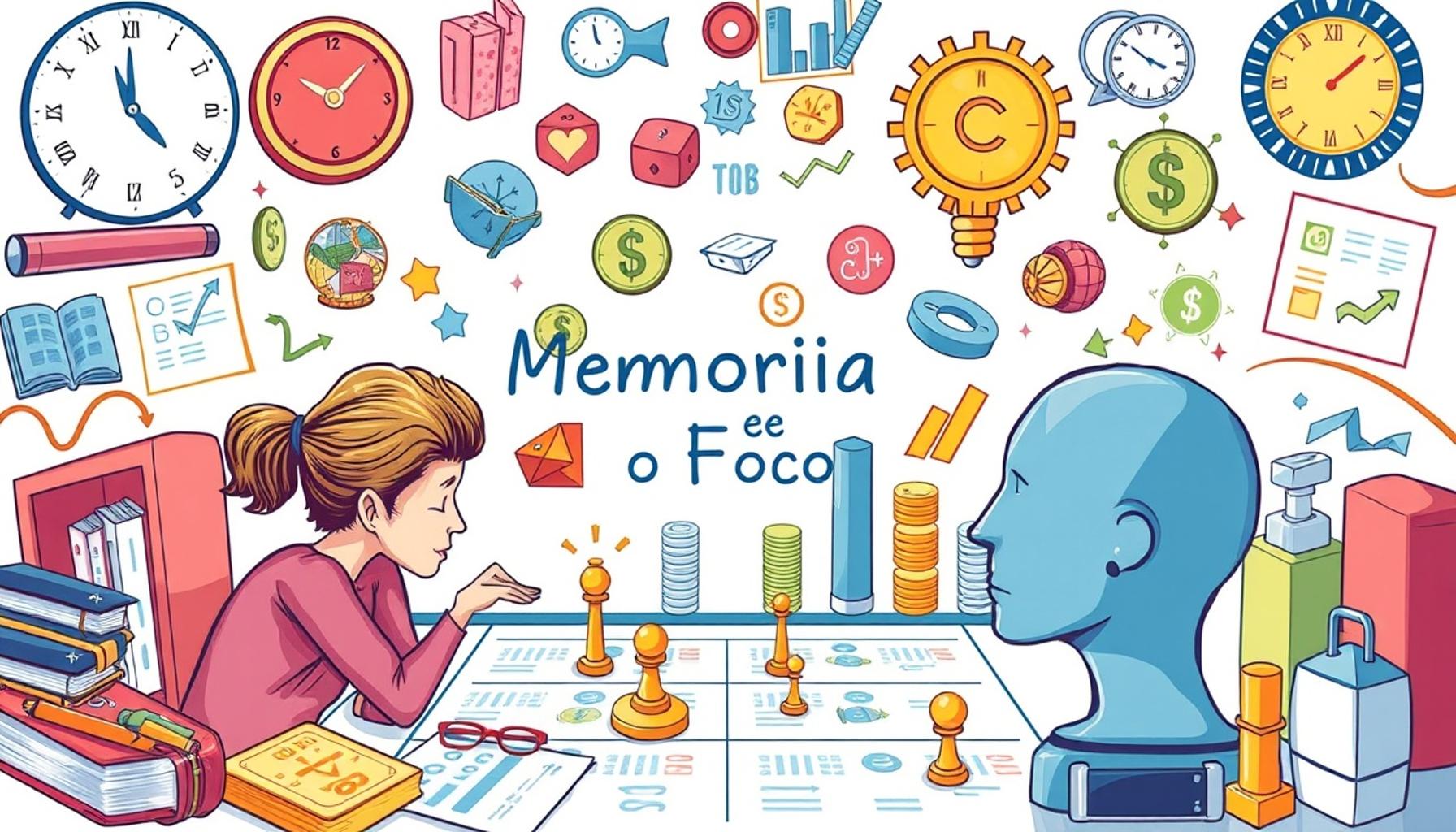
Similarly, another compelling benefit is increased focus. Strategy games such as Chess, commonly played in Nigeria, demand intense concentration and sustained attention. Players must analyze their opponents’ moves and plan their strategies accordingly, effectively training their minds to maintain focus on complex tasks. This ability to concentrate not only improves gaming performance but also translates into improved productivity in academic and professional endeavors.
Moreover, these games are instrumental in cultivating robust problem-solving skills. By navigating intricate scenarios and making decisions based on limited information, players cultivate critical thinking abilities that are essential in everyday life. For example, a player who regularly engages in games like Ludo develops the skills necessary to make quick yet informed decisions, which can be beneficial in both business and social contexts.
In Nigeria, the popularity of traditional games like Ludo and Chess is matched by a burgeoning interest in digital strategy games, which are more accessible to a broader audience. Mobile applications and online platforms are making these cognitive tools available to individuals of all ages, ensuring that the benefits of mental exercise are widespread.
In addition to these cognitive advantages, engaging in strategy games fosters social connections and alleviates stress. Gatherings to play board games have long been a staple of community life in Nigeria, serving as venues for both competition and camaraderie. As societal recognition grows around the importance of mental well-being, understanding the mechanisms that make these games effective can lead to more robust practices for enhancing mental health.
Ultimately, embracing strategy games and cognitive challenges could be a crucial step towards achieving a sharper, more focused mind, blending entertainment with essential mental health benefits. With the increasing availability of contemporary gaming options in Nigeria, there has never been a better time to explore how these engaging activities can enrich our lives.
LEARN MORE: This related article may interest you
Unlocking Cognitive Benefits Through Gameplay
As the landscape of entertainment continues to evolve, the role of strategy games and cognitive challenges in enhancing mental acuity is gaining remarkable attention. These games are not merely pastimes; they are dynamic avenues through which players can unlock profound cognitive benefits. In particular, the engagement with these games has been linked to remarkable improvements in both memory and focus, making them an essential component of a balanced mental health regimen.
One of the most exceptional outcomes of engaging with strategy games is their potential for fostering neuroplasticity. Neuroplasticity refers to the brain’s ability to reorganize itself by forming new neural connections throughout life. Games that challenge the intellect, such as Chess or Sudoku, actively stimulate different areas of the brain, prompting it to adapt and grow stronger. This can lead to long-term developments in cognitive function. In a bustling country like Nigeria, where urban lifestyles often lead to overwhelming distractions, such games could be a remedy for mental fatigue and cognitive decline.
Numerous studies illustrate how immersive games can enhance working memory, which is crucial for tasks that require temporary storage and manipulation of information. For instance, card games that require players to remember previous plays or strategies force participants to engage their minds in ways that improve their ability to juggle multiple pieces of information simultaneously. This ability is not only vital in gaming settings but also translates seamlessly into academic pursuits and everyday activities, from job performance to personal decision-making.
The following are key cognitive benefits of engaging with strategy games:
- Enhanced Memory Retention: Regularly participating in memory games or puzzles significantly boosts the brain’s retrieval capabilities.
- Improved Attention Span: The focused nature of strategy games sharpens the player’s ability to concentrate on tasks without distraction.
- Stronger Problem-Solving Skills: These games require critical thinking, which can enhance everyday problem-solving capabilities.
- Stress Reduction: Engaging in games provides a beneficial escape, helping to alleviate anxiety and stress.
Within Nigeria’s vibrant communities, both traditional board games and innovative digital platforms are aiding in bridging the gap between enjoyment and mental health enhancement. For instance, local tournaments in Chess not only promote intellectual growth but also encourage social interaction, reinforcing community bonds while participating in cognitive challenges. This dual benefit amplifies the overall experience, making strategy games a critical aspect of cultural life.
As people increasingly seek effective ways to enhance their mental health, the role of strategy games and cognitive challenges cannot be overstated. By fostering stronger memory capabilities and razor-sharp focus, these activities can serve as indispensable allies in achieving a balanced, mentally resilient lifestyle. With the advent of technology, access to these cognitive exercises has never been easier, inviting individuals from all walks of life to explore the powerful link between gaming and mental health.
| Advantage | Description |
|---|---|
| Enhanced Cognitive Skills | Strategy games like chess and puzzles require critical thinking, fostering skills like problem-solving and planning that translate into daily life. |
| Stress Relief | Engaging in cognitive challenges can provide a mental escape, reducing anxiety and improving overall emotional well-being through focused activities. |
| Memory Retention | Playing memory-based games improves retention and recall abilities, essential for both personal and professional success, enhancing memory pathways in the brain. |
| Social Interaction | Many strategy games promote social engagement, allowing individuals to develop relationships and community, which are vital for mental health and emotional support. |
Engaging in strategy games and cognitive challenges offers profound benefits for mental health. As players immerse themselves in these activities, they not only enhance their cognitive skills but also create valuable pathways for stress relief. Mental engagement through these games provides a much-needed break from everyday stressors, allowing individuals to focus their minds and experience a sense of achievement. Furthermore, memory retention plays a crucial role; games designed to challenge memory can boost recall capabilities, proving useful in both personal and professional settings. The communal aspect of participating in strategy games allows for social interaction, fostering relationships that can significantly improve emotional wellness and create supportive networks. This multifaceted approach to improving memory and focus highlights how strategy games serve not just as entertainment, but as powerful tools for enhancing mental health and overall quality of life.
YOU MAY ALSO LIKE: Read read another article
The Social and Emotional Dimensions of Gameplay
Beyond the cognitive benefits, the influence of strategy games and cognitive challenges extends into the realm of social interaction and emotional well-being. In Nigeria, where communal life plays a fundamental role in daily existence, playing games together serves as a conduit for strengthening friendships and family bonds. Whether it is the traditional game of Ludo or modern multiplayer online strategy games, these activities can create a shared experience, establishing a sense of community and belonging.
The power of social engagement through gaming is elucidated by various studies that report an increase in life satisfaction among individuals who regularly participate in group activities, including gaming. As players strategize and collaborate to achieve a common goal, they engage in essential dialogue and teamwork, which are vital components of building relationships. The jovial atmosphere fosters laughter and camaraderie, alleviating feelings of isolation, particularly among younger people facing the pressures of urban life.
Moreover, the structure of many strategy games incorporates a level of achievement and competition. This aspect can serve as a boon for mental well-being, instilling a sense of accomplishment in players. Successfully winning a match or solving a difficult puzzle triggers the release of dopamine—the chemical responsible for feelings of pleasure and satisfaction. This biochemical reward encourages players to engage more with the game, further enhancing their cognitive abilities and fostering positive emotional states.
The importance of emotional resilience cannot be overlooked in the context of mental health. Strategy games often present challenges and setbacks that require players to rethink their approach and recover from failure. Learning to manage disappointment in a game translates to real-life applications, teaching players how to cope with personal challenges and develop resilience. This process can be particularly beneficial for the youth in Nigeria, facing a rapidly changing environment and the high-stress demands of education and career building.
Additionally, regular participation in games has been linked to decreased rates of anxiety and depression. Engaging in the mental stimulation provided by strategy games can serve as a distraction from daily stressors, offering players a safe space to immerse themselves and momentarily escape the pressures of their surroundings. With the increasing urbanization in Nigeria, where hustle and bustle can sometimes overwhelm, this aspect of gaming becomes even more relevant as a tool for stress management.
In educational settings, schools across Nigeria have recognized the value of integrating strategy games into their curricula. Programs that involve puzzles or collaborative board games are helping students cultivate improved focus and memory while simultaneously providing essential life skills like teamwork, communication, and leadership. Such initiatives underscore the deep connection between mental health enhancement and cognitive gameplay, illustrating that the benefits of these games go beyond mere entertainment.
As the cultural landscape in Nigeria continues to embrace the importance of mental well-being, the incorporation of strategy games and cognitive challenges proves to be not only a source of enjoyment but a vital strategy for improving memory and focus while fostering robust mental health across generations.
ADDITIONAL INSIGHTS: Expand your understanding here
The Broader Impact of Strategy Games on Mental Wellness
In conclusion, the myriad benefits of strategy games and cognitive challenges extend far beyond mere entertainment. They are invaluable tools for enhancing memory and focus, playing a critical role in collective mental health strategies, especially in Nigeria’s unique sociocultural context. By encouraging engagement in socially interactive environments, these games foster connections that mitigate feelings of isolation and promote overall life satisfaction.
The significant impact on emotional resilience teaches individuals to adapt and confront real-life obstacles—skills that are increasingly vital in our fast-paced world. As players navigate challenges, they simultaneously cultivate skills that benefit their personal and professional lives, reflecting a holistic approach to mental well-being.
Moreover, as awareness around mental health continues to grow, incorporating strategy games into educational practices could prove transformative. Schools embracing collaborative gameplay not only enhance cognitive functions but also prepare students for future challenges by imparting essential soft skills like communication and teamwork.
Ultimately, the integration of strategy games and cognitive challenges in daily routines harnesses their power to improve memory and focus, providing a pathway towards healthier minds. As Nigerians increasingly acknowledge the importance of mental health, leveraging these engaging platforms holds the potential to reshape perspectives and encourage a generation equipped for resilience and success. This growing movement invites all to explore the captivating world of strategic gameplay, benefitting mind and community alike.

Beatriz
Beatriz Johnson is a seasoned puzzle enthusiast and writer with a passion for unraveling the complexities of mind games and brain teasers. With over a decade of experience in the world of puzzles, she specializes in topics like logic games, riddles, and strategic challenges. Through her work, Beatriz empowers readers to sharpen their problem-solving skills, think creatively, and stay engaged in the ever-evolving landscape of mind games and puzzles.