Enhancing Cognitive Skills Through Strategy Games: A Guide to Mental Performance and Decision Making
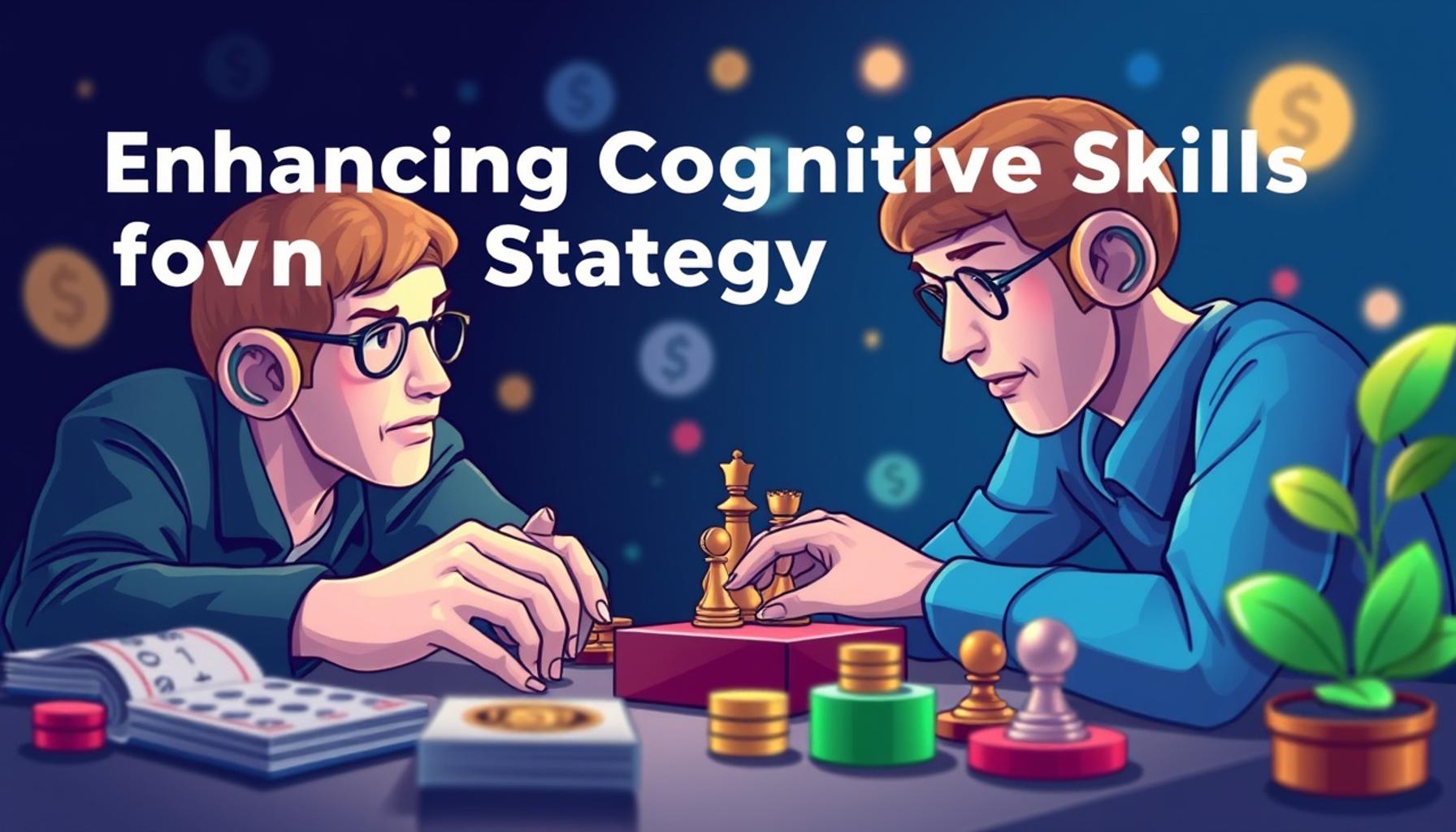
The Cognitive Benefits of Engaging with Strategy Games
In today’s competitive landscape, the ability to make swift and sound decisions is crucial across various fields, from business negotiations to academic challenges. Strategy games, often regarded merely as a source of entertainment, are actually treasure troves for enhancing cognitive skills and fostering critical thinking. These games span from traditional classics to modern adaptations, making them accessible to a broad spectrum of players.
The benefits of these engaging exercises are extensive and varied:
- Improved Critical Thinking: In games such as chess or dama, players continuously assess a series of potential moves and counter-moves. Each decision can lead to victory or defeat, prompting players to refine their strategic thinking and anticipate their opponent’s actions effectively. For instance, successful chess players often excel in analyzing patterns, a skill that translates well into real-world problem-solving.
- Enhanced Memory: Many strategy games involve intricate rules and require the memorization of sequences. Games like Settlers of Catan involve remembering resources and strategies employed by other players, helping to improve both short-term and long-term memory. In a Nigerian context, traditional games like ayo (a popular board game) require players to remember previous moves, keeping their spatial and sequential memory engaged.
- Increased Focus: Strategy games demand a high level of concentration. Players must remain vigilant to recognize subtle shifts in their opponents’ strategies and adapt accordingly. This heightened focus can improve one’s attention span and concentration levels in everyday tasks, whether in school or workplace settings.
- Better Collaboration: Many strategy games, particularly modern board games and cooperative video games, require teamwork to succeed. In Nigeria, team-based games can foster communication and interpersonal skills. Games such as Pandemic require players to work together closely, leveraging each participant’s strengths to overcome challenges, thus mirroring dynamics found in real-world team environments.
In Nigeria, the enthusiasm for strategy games is evident. The most popular forms include chess, a game embraced by many and often featured in schools and community centers, as well as dama, known for its strategic depth. The rise of modern board games has also introduced new concepts and mechanics, attracting younger audiences eager to harness their cognitive skills in a fun, engaging way. As more individuals adopt these activities, there is a growing awareness of their cognitive advantages.
Whether you are an experienced strategist or just beginning to explore this fascinating realm, engaging with strategy games can lead to significant personal and cognitive growth. Delving into these games means not only improving your decision-making skills but also providing a platform for social interaction and mental challenges. This guide aims to shed light on the diverse ways strategy games can reshape your cognitive abilities, helping you navigate both life’s challenges and victories with newfound confidence.
LEARN MORE: This related article may interest you
The Impact of Strategy Games on Mental Performance
Engaging in strategy games offers numerous benefits that extend far beyond mere entertainment, fostering significant cognitive and mental development. As players immerse themselves in these complex scenarios, they inadvertently sharpen their mental performance and enhance their decision-making capabilities. The extent of their influence is increasingly acknowledged in various sectors, including education, business, and personal development.
One of the primary cognitive skills developed through strategy games is problem-solving ability. Players are consistently faced with challenging scenarios that require thoughtful analysis and strategic planning. For example, games like chess or the Nigerian traditional game of ayo push players to evaluate multiple variables simultaneously, forcing them to devise long-term strategies while reacting dynamically to their opponents’ moves. This practice trains the brain to process information more efficiently, a skill that is invaluable in high-pressure environments where rapid decision-making is essential.
Additionally, strategy games can effectively enhance emotional intelligence. Players learn to interpret their opponents’ emotions and intentions, developing empathy and social awareness that can significantly improve interpersonal relationships. Games that require negotiation, such as Settlers of Catan, prompt players to engage in discussions and conflict resolution, mirroring real-world social interactions. Such experiences can boost both a player’s confidence and their ability to navigate complex social hierarchies.
Key Cognitive Skills Gained from Strategy Games
The cognitive advantages garnered through engaging with strategy games can be summarized in several key areas:
- Strategic Thinking: Players learn to plan actions several steps ahead, evaluating potential outcomes and adjusting their approach based on continually changing circumstances.
- Analytical Skills: Many strategy games require the processing of information quickly and accurately. This fosters the ability to analyze data and draw conclusions, skills that are vital in academic and professional settings.
- Adaptability: In the face of unforeseen challenges, players must adapt their strategies, ensuring they remain competitive. This adaptability nurtures resilience and flexibility in real-life situations.
- Resource Management: Many games involve managing limited resources efficiently, instilling a strong sense of prioritization and strategic allocation, which can translate directly into personal and professional finance management.
In Nigeria, the popularity of strategy games is not just a trend but a movement towards recognizing the profound cognitive shifts that can occur through gameplay. From chess clubs sprouting in schools to community tournaments showcasing local variants of strategy games, the growing enthusiasm reveals a cultural shift towards embracing mental challenges as a vital component of development.
As we dive deeper into the various strategy games available and their cognitive benefits, it becomes clear that the broader implications of mental performance reach far into everyday life, influencing how decisions are made, how problems are resolved, and how communities are built. With this understanding, the journey into the world of strategy games becomes an exciting avenue for personal growth and empowerment.
Expanding Cognitive Skills Through Strategic Play
Engaging in strategy games not only entertains but also significantly boosts cognitive skills, essential for both personal and professional success. These games are designed to challenge players to think critically and adaptively, providing a safe space to improve problem-solving and decision-making abilities. Studies have shown that regular engagement in such games can lead to sharper memory retention and enhanced analytical thinking, vital skills in our increasingly complex world.
Cognitive Benefits of Strategy Games
When players immerse themselves in strategy games, they often encounter scenarios requiring planning and foresight. This interaction cultivates a mindset trained to anticipate outcomes and devise multiple paths to success. For instance, chess is renowned for its ability to improve foresight and critical thinking, challenging participants to weigh numerous strategies and outcomes simultaneously. Similar benefits are found in various board games and video games, illustrating the potent influence of these activities on cognitive development.
| Cognitive Skill | Description |
|---|---|
| Strategic Thinking | Ability to formulate plans and evaluate choices for optimal outcomes. |
| Problem-Solving | Develops skills to assess challenges and devise effective solutions. |
| Adaptability | Enhances ability to modify strategies based on evolving game dynamics. |
The advantages of incorporating strategy games into daily routines are manifold. Beyond cognitive enhancements, these games foster social interaction as players often engage in multiplayer settings, encouraging teamwork and negotiation skills. Each session provides not just a challenge, but a chance for players to learn resilience through both wins and losses, a critical aspect of personal growth. This unique blend of cognitive and social benefits positions strategy games as invaluable tools in enhancing mental performance and decision-making skills.
LEARN MORE: This related article may interest you
The Role of Strategy Games in Developing Decision-Making Skills
Strategy games are not only avenues for recreation but are powerful tools for refining decision-making skills. In an era marked by rapid changes and abundant information, the ability to make sound decisions has never been more critical. Through engaging gameplay, players experience the consequences of their choices in a controlled environment, enabling them to learn from mistakes and successes alike. This hands-on approach builds a strong foundation for making better decisions in real-life scenarios.
One vital aspect of decision-making enhanced by strategy games is risk assessment. Players frequently encounter scenarios that require them to weigh potential benefits against possible setbacks. Consider the classic game of Monopoly; players must decide when to invest in properties or when to hold back, assessing each option’s potential return on investment while navigating the uncertainty posed by opponents. This form of experiential learning translates well into business acumen, where individuals learn to evaluate opportunities and risks before committing to a course of action.
Furthermore, strategy games foster collaborative decision-making. Multiplayer games, such as Age of Empires or Warhammer, often necessitate teamwork. Players must communicate strategy, negotiate roles, and reach a consensus on tactical implementations. This collaborative effort mirrors professional environments where teamwork is crucial for achieving goals. By practicing decision-making in a team setting, players develop essential leadership skills, such as motivating others and resolving conflicts, which are invaluable in today’s collaborative workspace.
Practical Applications of Decision-Making Skills from Strategy Games
The mental exercises derived from strategy gaming extend to various aspects of life. Some practical applications include:
- Career Advancements: The skills cultivated through strategic gameplay can significantly enhance professional decision-making. Individuals who regularly engage with strategy games may find themselves more adept at navigating complex workplace dynamics and enhancing their strategic thinking capabilities.
- Academic Improvement: Students who participate in strategy games exhibit improved academic performance, particularly in subjects that require critical thinking and problem-solving. Educational institutions across Nigeria are increasingly integrating strategy games into their curriculum to stimulate cognitive engagement.
- Personal Discernment: Everyday decisions—ranging from personal finance to relationship management—can benefit from the analytical skills gained through strategy games. Individuals become more attuned to evaluating choices critically and understanding long-term consequences.
Moreover, as cultural attitudes shift towards recognizing the mental benefits of strategy gaming, community initiatives are emerging. Local gaming leagues and school clubs foster collaborative experiences, providing platforms for players to hone their decision-making skills alongside peers. Events like the Nigerian Chess Federation tournaments highlight how strategy gaming serves as an educational board connecting cognitive development and community engagement.
Equipping players with techniques that enhance their decision-making skills not only empowers individuals but also propels communities forward. With increasing participation in strategy games, the collective cognitive capacity of society grows, leading to improved problem-solving and critical thinking in broader contexts.
ADDITIONAL INSIGHTS: Expand your understanding here
Conclusion: The Lasting Impact of Strategy Games on Cognitive Development
In a world where the ability to think critically and make swift, informed decisions has become increasingly essential, strategy games emerge as invaluable tools for cognitive enhancement. As demonstrated throughout this exploration, these games are not merely sources of entertainment but rather profound platforms that cultivate essential skills such as risk assessment, collaborative decision-making, and problem-solving.
Engaging with strategy games allows players to develop a deeper understanding of consequences, sharpen their analytical thinking, and hone their ability to navigate complex scenarios. The transferable skills acquired through gameplay are significant, enhancing not only professional paths but also academic performance and personal discernment. Furthermore, as strategy games gain recognition in educational settings across Nigeria, they are poised to contribute to a generation of critical thinkers and effective leaders.
Moreover, the rise of local gaming leagues and community initiatives can further amplify these benefits, creating spaces where individuals can collaborate, learn, and grow together. As more people recognize the cognitive advantages embedded in strategic gameplay, the potential for improved mental performance and decision-making becomes increasingly promising.
In conclusion, investing time in strategy games may serve as a powerful approach to enrich one’s cognitive skills, leading to enhanced performance in various spheres of life. Embracing this trend not only empowers individuals but also fosters stronger, more capable communities ready to address the challenges of tomorrow. It’s time to explore the world of strategy games, unlock the cognitive potential they offer, and embark on a journey of intellectual growth.

Beatriz
Beatriz Johnson is a seasoned puzzle enthusiast and writer with a passion for unraveling the complexities of mind games and brain teasers. With over a decade of experience in the world of puzzles, she specializes in topics like logic games, riddles, and strategic challenges. Through her work, Beatriz empowers readers to sharpen their problem-solving skills, think creatively, and stay engaged in the ever-evolving landscape of mind games and puzzles.