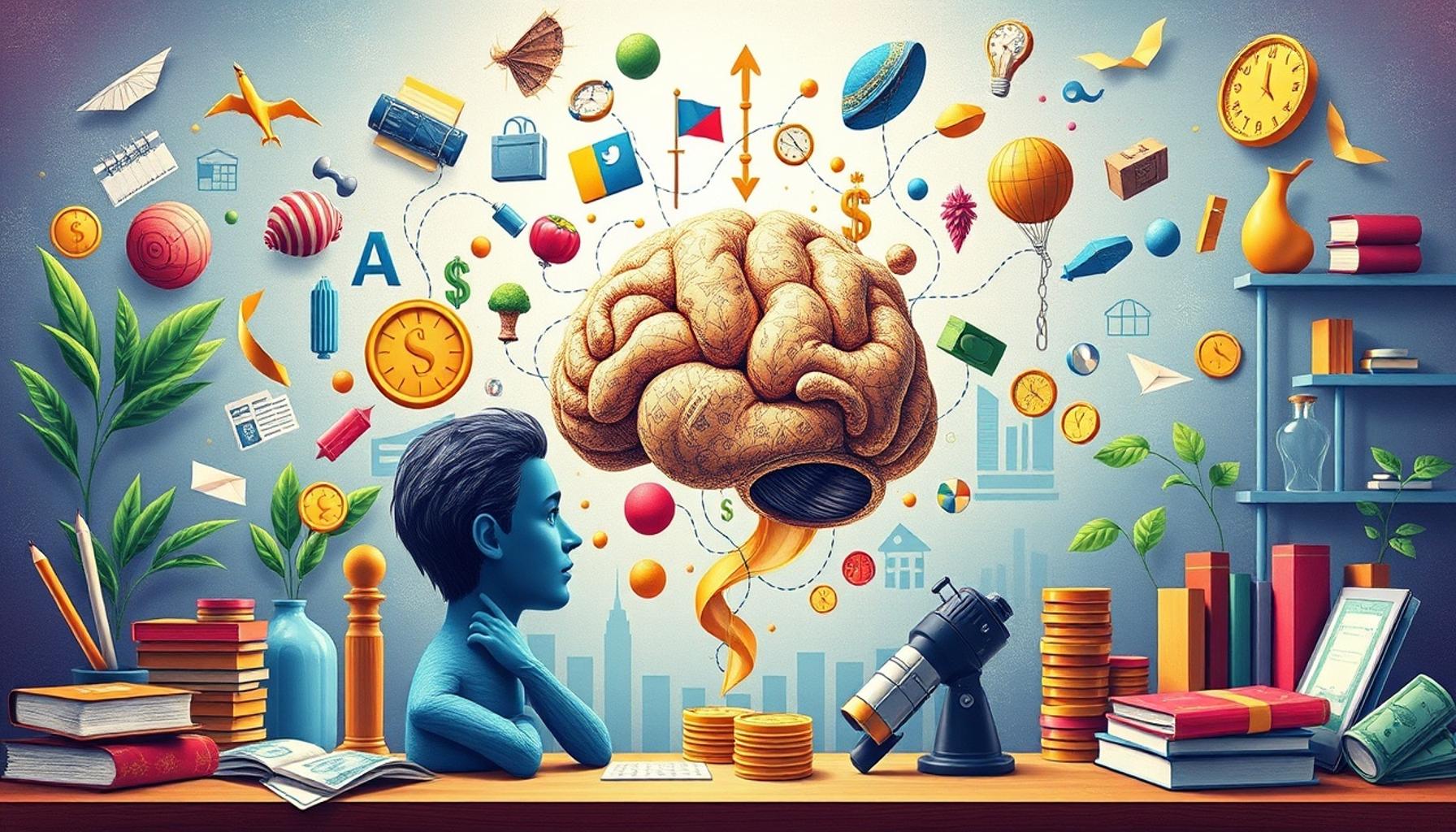
Logic and Memory Challenges: The Impact of Board Games on Strengthening Reasoning and Decision-Making Skills

The Importance of Cognitive Skills in Gaming
In an age dominated by digital communication and rapid technological advancements, strengthening reasoning and decision-making skills is essential for personal and professional success. The rise of technology, while beneficial, has made it increasingly vital for individuals to keep their cognitive abilities sharp. One engaging way to achieve this is through board games, which provide an opportunity for meaningful mental engagement and social interaction. These traditional pastimes not only entertain but actively challenge players’ logical thinking and memory capabilities.
Exploring the relationship between board games and cognitive development presents intriguing questions. How do these games impact our brain’s reasoning processes? What specific aspects of decision-making are honed through gameplay? When we analyze these factors, several core elements come to light:
- Problem Solving: Many board games, such as *Chess* or *Settlers of Catan*, require players to devise intricate strategies to overcome challenges. For example, in *Chess*, each move requires foresight and planning to outsmart the opponent, promoting analytical thinking.
- Memory Usage: Players are often required to remember complex game rules, previous moves, and opponents’ strategies. Games like *Ludu* and *Suwe*, traditional Nigerian games, demand a strong recall of past decisions and strategies to outmaneuver friends or family members.
- Social Interaction: Multiplayer board games enhance communication skills by fostering discussions, negotiations, and cooperation. Players must read social cues and respond in real-time, improving their emotional intelligence and interpersonal effectiveness.
In Nigeria, the cultural relevance of games like *Ludu* and *Suwe* extends beyond mere entertainment; these games serve as effective tools for enhancing logical reasoning and strategic thinking. For instance, *Suwe* encourages players to think critically about their moves and develop strategies to block their opponents, thereby aiding in the development of critical thinking skills while providing a thriving social experience.
Furthermore, research suggests that engaging in such mental exercises can help delay cognitive decline, making board games a valuable activity for all ages. Families and friends who play these games together strengthen their bonds while improving their mental acuity. The joy of friendly competition and camaraderie is a significant part of the experience, making it not just beneficial for the mind but also enriching for relationships.
As we delve deeper into the realm of board games, we will uncover the proven benefits they provide in enhancing vital reasoning and decision-making skills. Join us on this journey into the cognitive wonders hidden within these beloved classic games, and discover how you can unlock your mental potential while having fun.
CHECK OUT: Click here to explore more
Unlocking Cognitive Abilities Through Play
The interplay between board games and cognitive development is more profound than many recognize. As players engage with these games, they are not just entertaining themselves; they are also embarking on a cognitive exercise that challenges their mental faculties. This raises an essential consideration: could board games be the key to unlocking heightened reasoning and decision-making skills? A closer look reveals that board games serve as an effective medium through which various cognitive abilities can be stimulated and refined.
At the heart of many board games lies the requirement for strategic thinking. Players must often think several moves ahead, weighing potential outcomes and adapting their strategies based on the actions of their opponents. Games such as *Monopoly*, which takes on a Nigerian twist with local themes and variations, exemplify this concept. In *Monopoly*, players must navigate financial strategies, risk management, and resource allocation, all of which are practical skills relevant to real-world scenarios. This aspect of gameplay encourages players to sharpen their analytical skills as they assess risks and benefits.
Moreover, board games often present players with logic puzzles that necessitate systematic reasoning. Consider *Scrabble*, which pushes players to prioritize word formation while managing a limited set of letters. This requires not only a solid vocabulary but also logical problem-solving, as players must decide how to maximize their points while thwarting their opponents’ potential high-scoring opportunities. This engagement sharpens cognitive processes, encouraging players to develop quick thinking and adaptability.
Additionally, many board games have built-in memory challenges. Titles like *Memory* and *Concentration* require players to recall card placements or previous moves, developing their memory retention skills. The mental gymnastics involved in playing these games can lead to improved memory capacity, which is particularly beneficial in an educational context. Research indicates that exercises that involve memorization activate specific areas of the brain associated with memory and learning, proving that these games can aid in enhancing cognitive skills that translate beyond the gaming table.
- Complex Decision-Making: What choices will lead to victory? Games like *Catan* require players to assess multiple variables before making trade decisions.
- Short-Term Memory Boost: Remembering opponents’ strategies or a sequence of game moves enhances players’ short-term memory.
- Emotional Resilience: The ups and downs experienced during gameplay help in building emotional intelligence and coping skills.
These examples demonstrate that board games in Nigeria have a unique cultural role that expands their significance beyond entertainment. They foster learning and engagement among families and communities, becoming an avenue for interpersonal skill-building while simultaneously enhancing cognitive abilities. The essence of togetherness during board game sessions allows players to practice social reasoning—observing body language and strategizing based on live interactions, which is vital in today’s interconnected world.
As we continue exploring the impact of board games, we will delve deeper into how different genres and game mechanics uniquely contribute to strengthening reasoning and decision-making skills. This examination reveals not only how much fun can be had while playing but also the underlying cognitive benefits that elevate these traditional games to valuable educational tools.
| Advantages of Board Games | Impact on Skills |
|---|---|
| Enhanced Problem Solving | Board games require players to think critically and devise strategies that strengthen their reasoning abilities. |
| Teamwork and Collaboration | Many games foster cooperative skills, encouraging players to make group decisions, which enhances their decision-making process. |
| Memory Enhancement | Games often require remembering rules and previous moves, which significantly improves one’s memory capacity. |
| Risk Assessment | Players learn to evaluate risks associated with their decisions, ultimately leading to better decision-making skills. |
Engaging with board games not only sparks mental agility but also immerses players in environments that reflect real-life challenges, instigating active engagement with logical reasoning and critical thinking. The interplay of strategy, chance, and social interaction cultivates various cognitive abilities, therefore emphasizing their importance in personal and professional development. As players navigate through complex scenarios, they find themselves honing skills that transgress beyond the game board, paving the way for enhanced performance in real-world decision-making situations. By regularly participating in these intellectual challenges, individuals can effectively reap the long-term benefits of improved reasoning and memory capabilities.
SEE ALSO: Click here to read another article
Expanding Cognitive Horizons Through Various Game Genres
As we examine the different genres of board games, it becomes clear that each type uniquely contributes to enhancing cognitive functions, especially in the realms of reasoning and decision-making skills. The diversity in mechanics and themes not only keeps players engaged but also cultivates a range of mental capabilities that are invaluable in both personal and professional settings.
Consider the genre of strategy games, such as *Chess* or *Ticket to Ride*. These games require players to envision the board from multiple perspectives, formulating plans based on their opponents’ tactics. In *Chess*, for example, each piece has unique movements that require nuanced understanding and foresight. Players must evaluate multiple possible outcomes of their moves, which promotes advanced logical reasoning. Such strategic games have shown to aid in the development of patience and long-term planning skills, critical components of effective decision-making.
Another fascinating genre is the realm of cooperative games, like *Pandemic* and *Forbidden Island*. Unlike competitive games, cooperative games emphasize teamwork and collective problem-solving. Players must collaborate to achieve a common goal, often under time constraints and limited resources, mirroring real-life scenarios where team dynamics and effective communication are pivotal. This fosters not only cognitive flexibility—adapting to unforeseen challenges—but also interpersonal skills that are essential in diverse social settings.
The inclusion of social deduction games such as *Werewolf* or *Coup* provides an additional layer of cognitive engagement. These games challenge players to assess verbal and non-verbal cues from others, honing their ability to read social situations and enhance their critical thinking. They require players to make quick decisions based on incomplete information, a skill that translates to various real-world situations. The need to bluff or detect deception plays a vital role in strengthening players’ analytical capabilities, offering insights into human behavior and motivations.
- Budget Management: Games like *Power Grid* revolve around managing resources efficiently, resembling financial decision-making skills needed in daily life.
- Adaptability: Engaging in games with evolving rules, such as *Fluxx*, encourages players to adjust their strategies dynamically, enhancing their cognitive flexibility.
- Cognitive Creativity: Titles like *Dixit*, which focus on storytelling and visual interpretation, help boost creative thinking abilities and innovation in problem-solving.
In Nigeria, board games are often viewed as tools of entertainment and community bonding. However, the cognitive benefits they provide are significant. Families might gather around a game of *Ludu* or *Damii*, where strategic maneuvering and memory recall come into play. These games serve not only as a fun pastime but also as a means to encourage intelligent discussions and collaborative strategy development among family members. The communal aspect of these gatherings fosters social bonds while simultaneously providing a fertile ground for cognitive growth.
As we delve deeper into the benefits of board games, it’s crucial to recognize the role of cultural adaptations in gameplay. Local variations of classic games, rich with Nigerian themes and folklore, can enhance engagement and relevance for players. These culturally rich variations not only relate to the players’ experiences but also reinforce important social values and shared histories, further enriching the cognitive experience as players engage with tradition while sharpening their reasoning and decision-making skills.
RECOMMENDED: Check out this similar article
Conclusion: Unlocking Cognitive Potential Through Play
In an era where cognitive skills are increasingly recognized as vital for personal and professional success, the role of board games in enhancing reasoning and decision-making skills cannot be overstated. From the strategic depth of games like *Chess* to the collaborative dynamics of *Pandemic*, these engaging mediums not only entertain but also serve as powerful tools for cognitive development. They invite players to navigate complex scenarios, exercise critical thinking, and make informed choices under pressure, all while enjoying meaningful interactions with others.
The diverse genres of board games provide a rich tapestry of experiences that foster logical reasoning, cognitive flexibility, and the ability to negotiate and deduce social cues. Particularly in a culturally vibrant landscape like Nigeria, where communal gatherings often revolve around traditional games, these activities offer a unique platform for nurturing memory and analytical capabilities. Enhancing family bonds during gameplay allows for the sharing of knowledge and experiences, enriching not just memory recall but also social cohesion.
As we advocate for the incorporation of board games into everyday life, whether in schools or family settings, we recognize their enduring impact on strengthening the cognitive foundation necessary to thrive. It is imperative to continue exploring local adaptations and newly developed titles that resonate with diverse audiences, aligning with cultural narratives that further enhance player engagement and cognitive benefits. Ultimately, investing time in board games is an investment in cognitive growth—a pursuit that promises to yield rich rewards in reasoning and decision-making skills for players of all ages.

Beatriz
Beatriz Johnson is a seasoned puzzle enthusiast and writer with a passion for unraveling the complexities of mind games and brain teasers. With over a decade of experience in the world of puzzles, she specializes in topics like logic games, riddles, and strategic challenges. Through her work, Beatriz empowers readers to sharpen their problem-solving skills, think creatively, and stay engaged in the ever-evolving landscape of mind games and puzzles.