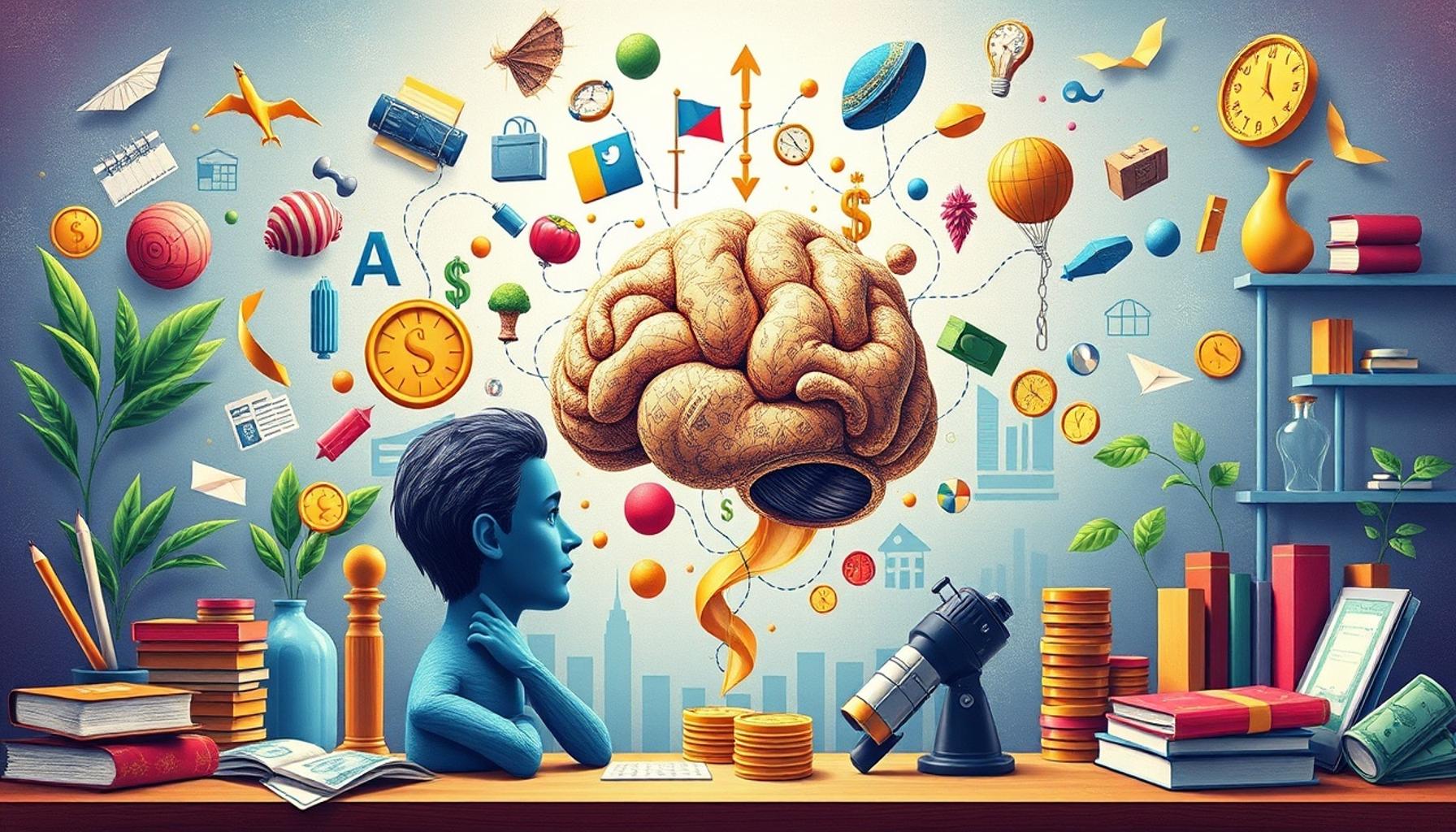
Developing Lateral Thinking: How Reasoning Games and Puzzles Stimulate Innovation and Creativity

Unlocking the Power of Lateral Thinking
In an era where conventional approaches to problem-solving may falter, finding unique ways to innovate is essential. One dynamic method for cultivating such innovative thinking is through reasoning games and puzzles. These engaging activities are designed to provoke thought and challenge the mind, helping individuals to push the boundaries of their creativity.
Engaging with puzzles and reasoning games can offer numerous benefits that extend far beyond mere entertainment. Here are some compelling advantages:
- Enhanced problem-solving skills: When immersed in puzzles, participants learn to dissect challenges and examine them from multiple perspectives. For example, a player tackling a logic puzzle must evaluate different hypotheses before arriving at a solution, mirroring the analytical thinking required in professional settings.
- Increased cognitive flexibility: Players often encounter unexpected scenarios that demand quick adjustments in their thinking processes. This adaptability becomes invaluable in fast-paced work environments, where a sudden change in project parameters can require rapid brainstorming of alternative solutions.
- Boosted confidence: Solving puzzles provides a sense of accomplishment that can enhance self-esteem. When individuals piece together complex problems, they gain a trustworthy tool to approach difficulties in their daily lives, whether in education or their careers.
A wealth of options exists to stimulate creativity through games. Classic board games like Scrabble engage players’ vocabulary and strategic thinking, while modern digital puzzles boast interactive experiences that captivate various age groups. In Nigeria, traditional reasoning games like Ludo and Dame are integral to social gatherings, encouraging not only entertainment but also critical thinking and interaction among friends and family.
Furthermore, these games often serve as a bridge between generations, facilitating conversations about strategy and approach. Imagine a lively evening around a Ludo board, where family members, from young to old, are engaged in vibrant discussions about tactics and the best ways to outsmart one another. Such interactions foster a communal spirit while simultaneously honing essential cognitive skills.
As work and educational landscapes evolve, the cultivation of lateral thinking skills becomes ever more crucial. Making reasoning games and puzzles a staple in quotidian life can unlock immense creative potential and nourish innovation. Consequently, those who embrace these activities are not only preparing themselves for today’s challenges but are also laying the foundation for a more imaginative future.
CHECK OUT: Click here to explore more
Unleashing Creativity Through Cognitive Challenges
Engaging in reasoning games and puzzles serves as a powerful catalyst for developing lateral thinking. These activities invite players to step outside the box, navigating through layers of complexity that not only stimulate the mind but also embolden individuals to reimagine traditional approaches to problem-solving. In Nigeria, where the cultural tapestry is rich with oral tradition and storytelling, incorporating reasoning games—such as Chow and Ayo—can be particularly rewarding, reviving both intellectual debate and communal bonds.
At the core of any reasoning game lies the essential element of strategy. Players are required to map out their moves based on evolving information, which enhances several cognitive skills:
- Critical thinking: Puzzles encourage players to analyze a situation logically. For instance, solving a Sudoku puzzle entails recognizing patterns while avoiding pitfalls, an exercise that mirrors the decision-making processes found in complex projects.
- Creative problem formulation: Games often challenge players to invent new solutions when faced with unexpected barriers. An individual playing chess must think three steps ahead, integrating both offense and defense, effectively training the mind to devise multifaceted strategies in real-life scenarios.
- Interpersonal communication: Many reasoning games require collaboration and negotiation, particularly in group settings. Engaging in lively discussions during a game of Ludo not only sharpens negotiation skills but also provides a platform for expressing ideas, thereby enhancing creativity through collective brainstorming.
Moreover, as we delve deeper into the psychological benefits of these games, studies reveal that engagement in puzzles activates the brain’s reward system. The dopamine released during moments of discovery and achievement contributes to feelings of joy, boosting overall morale and sparking further creative endeavors. This phenomenon can be particularly beneficial in educational settings where fostering a positive and stimulating environment can help in achieving better academic performance among students.
The beauty of reasoning games lies in their accessibility. From the spirited matches of Dam, a popular board game among Nigerian families, to intricate online puzzle platforms, these activities transcend age and background. They not only entertain but act as an educational tool, allowing people to sharpen their cognitive faculties while enjoying a shared experience. As the world moves further into an era of innovation, actively participating in these games can provide the mental edge needed to navigate a constantly evolving landscape.
Ultimately, embracing the challenge of reasoning games and puzzles goes beyond recreational activity; it becomes a fundamental practice in nurturing a culture of innovation. By providing the tools for lateral thinking, we equip ourselves, and future generations, with the creative capabilities necessary for tackling complex issues that demand fresh perspectives.
Developing Lateral Thinking: How Reasoning Games and Puzzles Stimulate Innovation and Creativity
As we delve deeper into the intricate relationship between reasoning games and puzzles and their impact on creativity, it’s essential to recognize the cognitive benefits these activities provide. It has been shown that engaging in lateral thinking enhances problem-solving skills and encourages thinking outside conventional boundaries. This section explores the advantages of incorporating these activities into your routine.
| Category | Description |
|---|---|
| Cognitive Flexibility | Reasoning games promote adaptive thinking, allowing individuals to shift perspectives and embrace new ideas. |
| Enhanced Creativity | Puzzle-solving fosters original thinking, enabling individuals to generate innovative solutions and expand their creative outlook. |
The synergy between engaging in puzzles and enhancing creativity becomes increasingly evident as players encounter challenges requiring unique solutions. Not only do these games stimulate lateral thinking, but they also cultivate a mindset that embraces ambiguity and complexity. With regular practice, participants find that their approach to everyday problems becomes more dynamic and resourceful.
Additionally, incorporating reasoning games into team-building activities in the workplace can yield significant benefits. Teams that engage in such creative exercises often report improved collaboration and communication, which are essential components of innovation. Exploring this facet further reveals just how powerful lateral thinking can be when applied as a collective effort, pushing the boundaries of what can be achieved.
RECOMMENDED: Check out this similar article
Harnessing the Power of Collaborative Play
One of the compelling reasons reasoning games and puzzles foster innovation and creativity lies in the inherent social aspect of collaborative play. In a nation like Nigeria, where communal interactions are deeply woven into the fabric of society, these games provide a unique opportunity for individuals to unite in pursuit of a common goal. The collective engagement in problem-solving stimulates a shared intellectual environment, enabling participants to brainstorm outside of conventional parameters.
Consider the popular game of Oware, a two-player strategy game that not only sharpens strategic thinking but also enhances teamwork. In this game, players must anticipate the moves of their opponent while also devising their own strategies. Such dynamic interactions can lead to discussions about alternative solutions, encouraging players to think creatively. This practice of sharing perspectives not only nurtures connections among players but cultivates a culture of openness where ideas can flow freely.
Additionally, puzzles that require group collaboration, like building a tower from limited resources, can propel teams to innovate. The challenge encourages participants to communicate effectively and delegate tasks according to each person’s strengths. This type of cooperative problem-solving builds trust and fosters a shared sense of purpose, making success a product of collaborative effort rather than individual skill. As teams navigate challenges together, they learn to embrace divergent thinking—an essential component of lateral thinking.
Furthermore, engaging with reasoning games enhances emotional intelligence, a critical element for innovative leadership. Players often encounter situations where emotions can run high, especially in competitive settings. Learning to manage these emotions while remaining focused on the objective is pivotal for growth. For instance, deciphering clues in an escape room challenge not only requires logical reasoning but also demands a level of emotional resilience. In Nigeria, where emotional dynamics play a significant role in leadership and community interactions, honing these skills through reasoning games equips individuals to address challenges with empathy and creativity.
Research shows that individuals who frequently engage in collaborative puzzles or games report higher levels of creativity and improved problem-solving abilities in their workplace as well. This correlation suggests that the skills developed during these games seamlessly transfer to real-life applications, particularly in the fast-paced, ever-evolving economic landscape of Nigeria. As industries pivot toward innovation, the ability to think laterally becomes a competitive advantage.
Moreover, today’s digital advancements have made reasoning games more accessible than ever. Online platforms and mobile applications now offer a plethora of interactive puzzles tailored for individual and group play. From logic challenges to mathematical enigmas, digital resources enable players to hone their lateral thinking skills at any time. This technological integration fosters an ongoing culture of creativity and engagement, pushing the boundaries of conventional play into more innovative territories.
Ultimately, we uncover the profound impact of reasoning games and puzzles on the realm of creativity and innovation when we recognize their potential as educational tools. By cultivating collaborative environments through these activities, individuals equip themselves with essential skills for navigating complexities, making them not just players but architects of a brighter, more innovative future.
SEE ALSO: Click here to read another article
Final Thoughts on Cultivating Creativity through Reasoning Games
In conclusion, the journey to developing lateral thinking through reasoning games and puzzles is not merely a playful endeavor but a strategic pathway to enhancing innovation and creativity, particularly within the vibrant context of Nigeria. By fostering teamwork, promoting emotional intelligence, and encouraging collaborative problem-solving, these engaging tools create an environment ripe for breakthrough ideas and solutions. As exemplified through games like Oware, individuals not only sharpen their cognitive abilities but also build vital interpersonal skills.
The evidence supporting the benefits of reasoning games is compelling. Research indicates a strong link between regular engagement in these activities and enhanced creative capacities in work settings—an essential consideration as Nigeria continues to evolve in its economic pursuits. With digital platforms further democratizing access to these engaging experiences, individuals can conveniently incorporate them into their daily routines.
As we navigate the complexities of the modern world, the implications of embracing reasoning games could be transformative, unlocking potential innovations that drive societal progress. More importantly, by actively participating in these stimulating exercises, we equip ourselves with the skills necessary to overcome the multifaceted challenges that lay ahead. Hence, investing time in developing lateral thinking through reasoning games is not just beneficial, but indeed a critical step towards nurturing the next generation of creative leaders and thinkers.

Beatriz
Beatriz Johnson is a seasoned puzzle enthusiast and writer with a passion for unraveling the complexities of mind games and brain teasers. With over a decade of experience in the world of puzzles, she specializes in topics like logic games, riddles, and strategic challenges. Through her work, Beatriz empowers readers to sharpen their problem-solving skills, think creatively, and stay engaged in the ever-evolving landscape of mind games and puzzles.