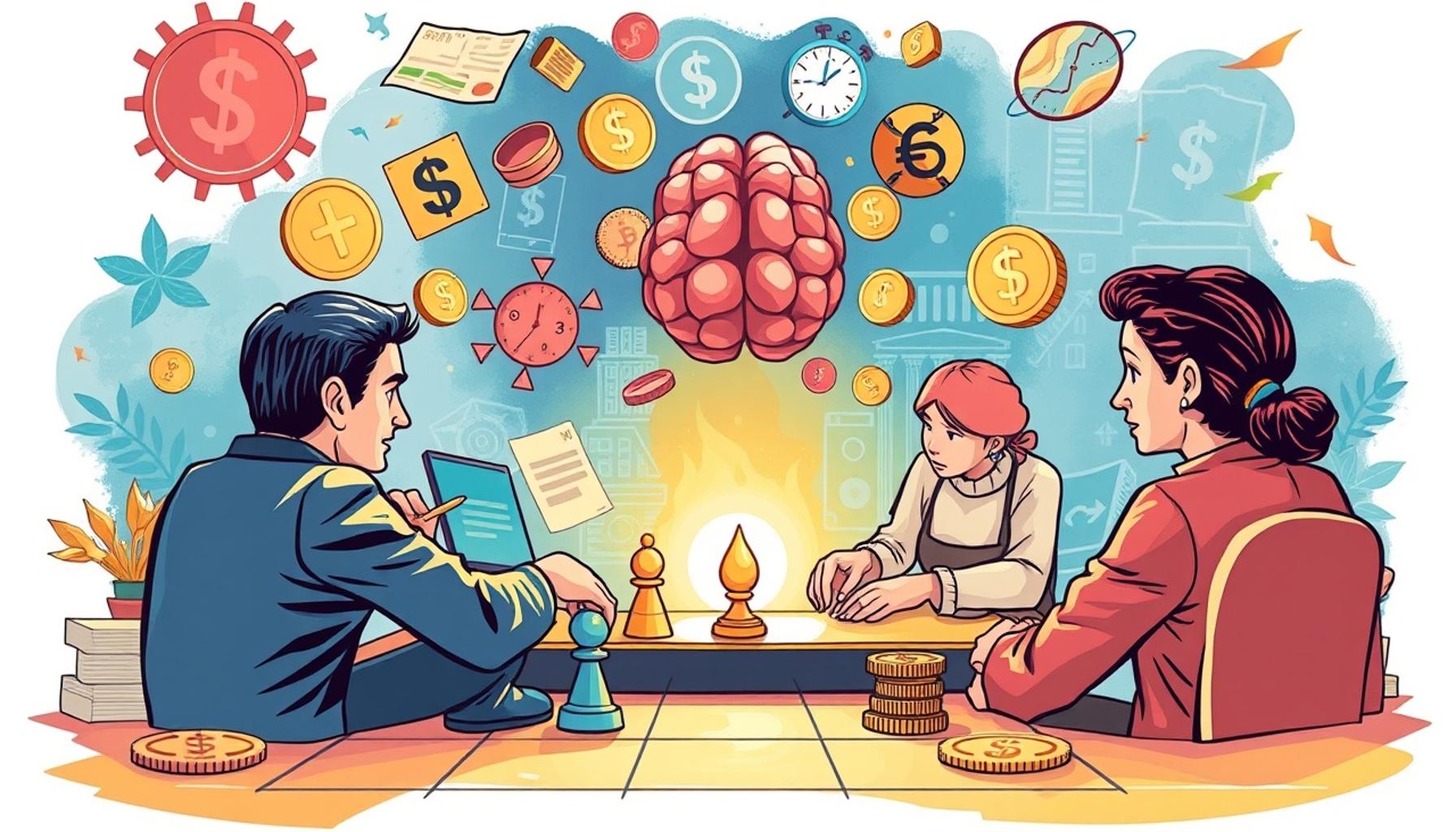
Unraveling Logical Challenges: The Role of Puzzles and Theories in Decision Making
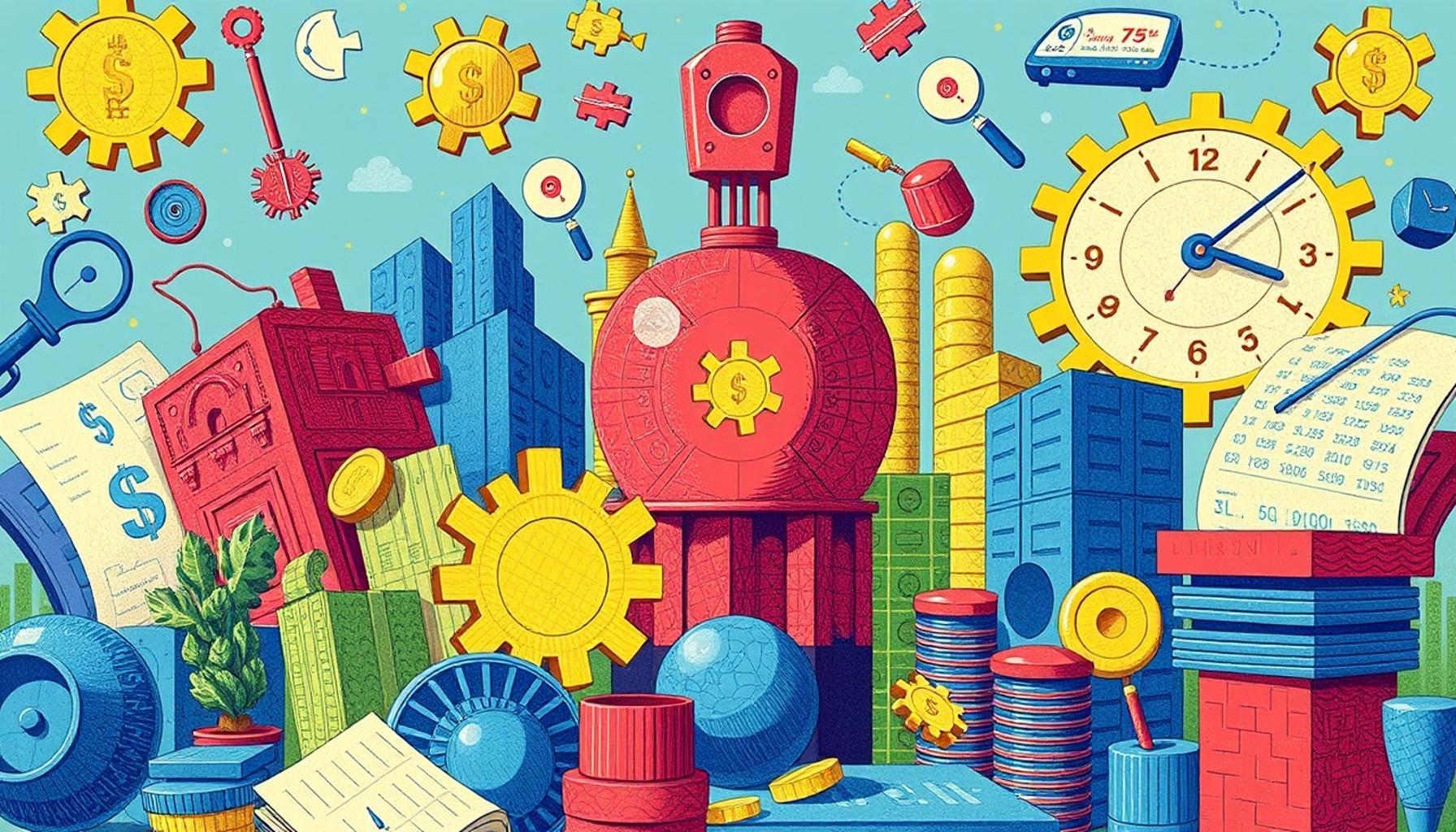
The Role of Puzzles in Decision-Making
In our increasingly complex world, decision-making often feels like navigating a labyrinth. From personal choices to corporate strategies, the ability to think logically and critically is more essential than ever. One intriguing way to sharpen these skills is through puzzles and theories. They not only challenge our cognitive abilities but also serve as valuable tools for enhancing our reasoning processes. Here are some of the ways they contribute:
- Problem-solving skills: Puzzles require innovative thinking, compelling us to devise solutions from scratch. For instance, consider a Nigerian entrepreneur faced with supply chain disruptions. By approaching the situation as a puzzle, they might explore unconventional vendors or delivery methods, leading to creative solutions that would not have emerged from traditional thinking.
- Creative thought: Engaging with different theories encourages us to view problems from multiple perspectives. When traders in bustling markets like Lagos or Aba encounter fluctuating prices or sudden demand surges, relying on diverse theoretical approaches can help them find balance. By experimenting with various pricing strategies—perhaps employing game theory or market psychology—their adaptability improves, ultimately benefitting their businesses.
- Analytical reasoning: Regularly solving puzzles hones our ability to analyze situations objectively and make informed decisions. For example, a community leader planning a new local initiative might use logical reasoning derived from analyzing past projects. This method not only reinforces their decision-making framework but also provides a structured pathway for assessing potential outcomes.
Consider the local marketplace in Nigeria, where traders must make quick decisions amidst uncertainty. Utilizing logical frameworks and problem-solving techniques can lead to better outcomes. Furthermore, puzzles like Sudoku, chess problems, or complex brain teasers are not just pastimes; they are exercises that can enhance mental agility, crucial for effective decision-making.
As we delve deeper into the landscapes of logical challenges, we uncover how puzzles and theories intersect to reveal significant insights into our cognitive processes. For example, educational programs that incorporate puzzle-solving activities in Nigerian schools do not merely entertain; they actively prepare students for future challenges by fostering critical thinking and logical reasoning capabilities.
This exploration promises to shed light on the underpinnings of our decision-making processes and invites us to engage in more profound critical thinking. As we continue to face an increasingly unpredictable world, investing time in puzzles and logical theories offers a compelling avenue for enhancing our ability to make sound decisions, whether in business, personal life, or community engagements.
CHECK OUT: Click here to explore more
Understanding Puzzles as Cognitive Tools
Puzzles extend far beyond mere entertainment; they are vital cognitive tools that stimulate our brains and enhance our capacity for logical reasoning. In Nigeria, where rapid urbanization and diverse economic landscapes shape daily life, the ability to solve problems creatively and logically is not just desirable but essential. Engaging with puzzles can prepare individuals to face real-world challenges, prompting them to think critically and apply innovative strategies.
Consider the impact of local competitions, such as math contests in schools across Nigeria. These settings provide an opportunity for students to use logical reasoning to tackle complex problems, fostering an environment where they learn to navigate uncertainties. As students engage in various puzzles—be it mathematical challenges or strategic games such as chess—they not only sharpen their problem-solving abilities but also cultivate a mindset geared towards analytical thinking.
Research supports the notion that engaging with puzzles enhances cognitive development. For example, studies show that individuals who regularly solve puzzles exhibit improved memory and cognitive flexibility. These attributes are particularly beneficial in high-pressure settings, where quick judgment and adaptability are paramount. In a bustling Nigerian market, vendors adjusting to sudden price increases can leverage their enhanced reasoning skills to formulate timely and effective responses that mitigate losses or capitalize on new opportunities.
The Intersection of Theories and Real-World Applications
Theories provide a necessary framework that complements the problem-solving process initiated by puzzles. By integrating theoretical knowledge with practical challenges, decision-makers are equipped to make more informed choices. In sectors such as agriculture, where Nigerian farmers must navigate fluctuating market demands and climate uncertainties, understanding theories—such as systems thinking or supply chain management—enables them to devise more effective strategies.
- Decision trees: Utilizing decision trees helps farmers visualize the potential consequences of various choices, guiding them toward more favorable outcomes.
- Game theory: This approach aids business owners in anticipating competitor behavior, allowing them to tailor their operations accordingly.
- Rational choice theory: Used in consumer behavior analysis, it helps traders understand buyer motivations and preferences, optimizing their sales tactics.
As Nigerian students engage with theoretical frameworks alongside practical puzzles, they learn to balance logical analysis with creativity. This dual approach fosters a new generation of leaders who are not only skilled in their specific fields but also adept at making decisions that consider various factors and outcomes. The dual emphasis on puzzles and theories can enhance their potential to contribute positively to their communities and the economy.
In the fast-paced and unpredictable environments of Nigeria, puzzles and theories serve as crucial allies in effective decision-making. By invoking critical thinking and quick analysis, these tools can illuminate the path forward, proving indispensable as challenges continue to evolve.
Exploring the Intersection of Puzzles and Theories in Decision Making
In the realm of decision making, the utilization of puzzles serves as a fascinating gateway to understanding complex theories. To many, puzzles are merely forms of entertainment, but they also encapsulate critical cognitive processes that help sharpen our analytical skills. Engaging with puzzles forces individuals to confront logical challenges head-on, which can translate into improved decision-making strategies in everyday life.For instance, consider how lateral thinking puzzles encourage out-of-the-box thinking. These types of puzzles require participants to break free from conventional thought patterns, prompting them to explore unconventional solutions. This type of mental exercise not only fosters creativity but also enhances problem-solving capabilities, equipping individuals with the tools they need to approach real-world decisions from multiple angles.Moreover, theories such as game theory provide a structured framework for analyzing strategic interactions and decision outcomes. By applying the principles of game theory, individuals can better understand the potential consequences of their choices, especially in competitive or collaborative environments. Game theory enables decision-makers to anticipate the actions of others and adjust their strategies accordingly, making it a pivotal component in negotiations, resource management, and conflict resolution.When intertwined, puzzles and theories forge a dynamic interplay that enriches cognitive abilities. By practicing puzzle-solving techniques and understanding the foundational theories behind decision making, individuals can significantly improve their effectiveness in various life scenarios, from personal dilemmas to professional undertakings. The integration of such logical challenges not only sharpens mental acuity but also builds greater confidence in one’s capacity to make sound decisions.
| Category | Highlights |
|---|---|
| Puzzles | Enhance Cognitive Skills and foster analytical thinking |
| Theoretical Frameworks | Strategic Decision Making through structured analysis and predictions |
Understanding these dynamics empowers individuals to not just tackle puzzles for leisure, but to integrate logical frameworks in their decision-making processes. By delving into the various types of puzzles and the underlying theories, we uncover a rich tapestry of knowledge that can greatly inform our choices and shape our futures. Engaging with both puzzles and theories invites continuous learning, fostering a mindset that is not only adaptable but also resilient in the face of logical challenges.
ADDITIONAL INSIGHTS: Expand your understanding here
Harnessing Puzzles and Theories for Innovative Decision-Making
In the dynamic landscape of Nigeria, where societal norms and economic realities are continuously shifting, the integration of puzzles and theories into decision-making processes can unlock unprecedented avenues for innovation and growth. By exploring scenarios through the lens of logical challenges, individuals and organizations are not only enhancing their operational efficiency but also fostering a rich culture of creative problem-solving.
One compelling example can be found within Nigeria’s burgeoning technology sector. Startups are often faced with numerous challenges, from limited funding to fierce competition. In such instances, engaging with logical puzzles—whether through coding challenges or platform-specific scenarios—serves as an incubator for developing critical thinking and foresight. For example, a tech firm could utilize algorithmic puzzles to streamline its software development processes, effectively reducing time-to-market while maximizing product relevance. Moreover, these puzzles compel developers to anticipate potential roadblocks, akin to a chess player predicting their opponent’s moves.
Moreover, theoretical frameworks spanning different disciplines can be instrumental in shaping business strategies. Consider risk management theory, which is crucial for businesses operating in unpredictable environments. This theory demonstrates how understanding the potential impacts of various risks can lead to better-informed decisions that mitigate losses and capitalize on profitable opportunities. By employing this theory, Nigerian investors can craft portfolios that balance growth and security, a vital strategy in an economy where both local and global forces play a significant role.
Navigating the Educational Landscape
The interplay of puzzles and theories is particularly evident in the Nigerian educational system, where educators are increasingly recognizing the importance of integrative learning approaches. For instance, educators incorporating problem-based learning, where students tackle real-life scenarios, often find that this method enhances both comprehension and retention of material. Consider the use of mathematical puzzles that relate directly to economic challenges—students learn to apply theories such as cost-benefit analysis while simultaneously engaging with enjoyable puzzles that pique their interest.
- Interdisciplinary Projects: Collaborative projects that combine insights from mathematics, science, and economics can lead students to develop holistic problem-solving skills. For example, secondary school students can work together to design solutions that address local agricultural issues, applying theoretical knowledge to practical challenges.
- Community Engagement: Programs that connect schools with local businesses provide students the opportunity to explore decision-making processes in real-world contexts, showcasing how logical reasoning impacts sustainability in local enterprises.
The commitment to critical thinking fostered by puzzles and theories can also enhance civic engagement among youth. By participating in simulations or debate clubs that encourage logical reasoning, young Nigerians are developing a sense of agency and responsibility in their communities. This not only prepares them for future careers but also inspires them to become informed citizens capable of making choices that directly impact their environments.
Furthermore, the convergence of puzzles and theories in Nigeria is exemplified by the rise of platforms and communities focused on brainstorming and collaborative problem-solving. Online forums, meet-ups, and workshops dedicated to tackling specific challenges face the nation—be it health, technology, or education—serve not only as sources of enlightenment but also as incubators for innovation. Here, diverse perspectives meld to create multifaceted solutions, echoing the essential role of logical challenges in deriving effective outcomes.
SEE ALSO: Click here to read another article
Conclusion: Embracing Logical Challenges in Decision-Making
In summation, the exploration of puzzles and theories as fundamental tools in decision-making processes offers profound implications for various sectors in Nigeria. The dynamic nature of the economy and society requires innovative approaches to tackle increasingly complex challenges. By embracing logical puzzles, individuals and organizations can enhance their critical thinking abilities, leading to more strategic and resilient decision-making.
The applications of these logical challenges extend beyond immediate problem-solving; they also encourage a robust culture of collaboration and interdisciplinary learning. In educational settings, this can cultivate a generation equipped not just with theoretical knowledge but also with practical skills essential for adapting to real-world complexities. The integration of various theories, from risk management to behavioral economics, enriches the decision-making landscape, allowing for a comprehensive understanding of the factors at play.
Moreover, as revealed in the burgeoning startup environment and educational reforms, the collective effort to engage with logical challenges establishes a foundation for sustainable growth and civic responsibility. Such a commitment to critical thinking can nurture a new breed of informed leaders and citizens, ready to navigate the evolving socio-economic terrain.
In this evolving landscape, the call to action is clear: to leverage the potential of puzzles and theories, ensuring that every decision reflects a well-rounded, analytical, and innovative mindset. As Nigeria continues to develop, the capacity to unravel logical challenges will undoubtedly be pivotal in shaping the future of decision-making.

Beatriz
Beatriz Johnson is a seasoned puzzle enthusiast and writer with a passion for unraveling the complexities of mind games and brain teasers. With over a decade of experience in the world of puzzles, she specializes in topics like logic games, riddles, and strategic challenges. Through her work, Beatriz empowers readers to sharpen their problem-solving skills, think creatively, and stay engaged in the ever-evolving landscape of mind games and puzzles.