Cognitive Training Through Strategy Games: Improving Mental Agility and Focus
The Cognitive Benefits of Strategy Games
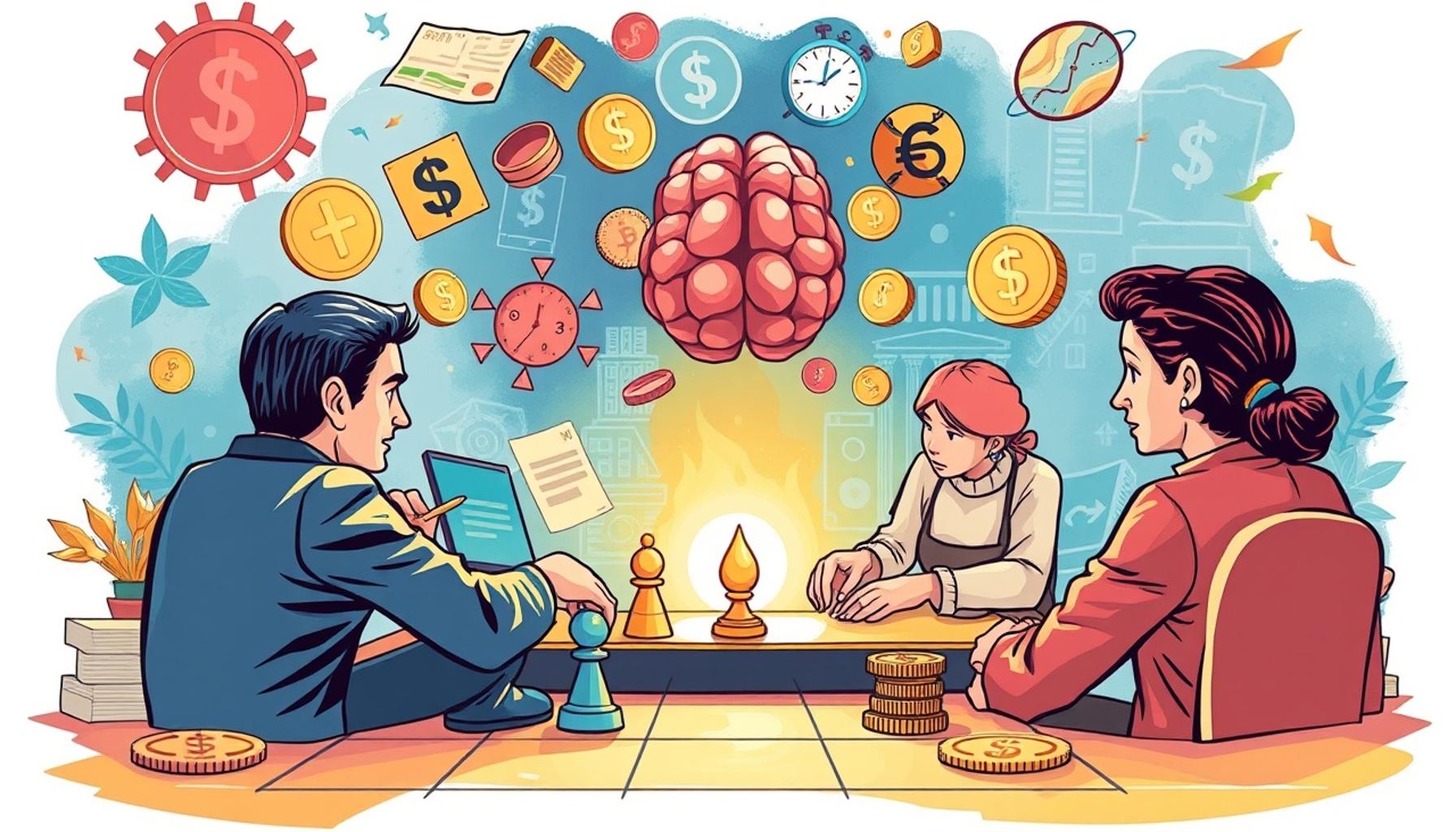
In today’s fast-paced, technology-driven world, the ability to think quickly and maintain focus is increasingly important. In this context, strategy games, often dismissed as mere entertainment, emerge as potent tools for cognitive training. These games put players in scenarios that require critical thinking, rapid decision-making, and long-term strategic planning, all of which are vital skills in both personal and professional life.
One of the primary advantages of engaging in strategy games is their capacity to enhance problem-solving skills. For instance, players are often faced with complex situations that demand careful analysis and creative solutions. A game like chess, where each piece moves differently and holds unique potential, exemplifies how players must evaluate multiple outcomes before making a decision. This analytical approach can translate to real-world situations, such as navigating work-related challenges or even resolving interpersonal conflicts.
Improving concentration is another significant benefit derived from these games. The quest for victory hinges on the player’s ability to maintain focus over long periods, sharpening attention and reducing susceptibility to distractions. For instance, local Nigerian games like Ogbele or Ludu require players to stay mentally engaged and anticipate the moves of their opponents, underscoring the importance of concentration in achieving success.
Moreover, strategy games can greatly boost memory. Many games involve retaining information such as rules, patterns, and the strategies employed by opponents. This cognitive endurance trains the brain to remember intricate details, a skill that proves invaluable in daily life, from academic pursuits to remembering personal and professional obligations.
In addition, the encouragement of adaptability stands out as a pivotal benefit. The unpredictable movements of opponents in games create a dynamic environment that requires quick thinking and flexible strategies. This experience can help individuals become better at managing unexpected changes or challenges in their everyday lives. Players in local gaming communities, such as those participating in chess tournaments held in Abuja or Lagos, often develop this skill as they encounter diverse playing styles.
For individuals in Nigeria, immersing themselves in either traditional activities such as drafts and chess or modern digital platforms that offer cognitive challenges can enhance these vital skills. Online strategy games available on mobile apps have gained popularity, enabling individuals to engage in strategic thinking even while on the go, further embedding the cognitive benefits into their daily routines.
As we dissect the multifaceted world of strategy games, it becomes clear that each move made in these competitive scenarios contributes to greater mental agility and heightened focus, empowering individuals to excel in various aspects of life. Embracing these games not only provides entertainment but also fosters growth, resilience, and adaptability essential for the challenges of the modern era.
LEARN MORE: This related article may interest you
Unlocking Cognitive Potential Through Game Mechanics
Exploring the cognitive training potential of strategy games unveils an impressive range of benefits, particularly in terms of mental agility and focus. The strategic depth required in these games goes beyond mere entertainment; it cultivates a brain-training landscape that fosters personal growth and developmental skills. By delving into how these games contribute to cognitive enhancement, players can understand the profound impact on their everyday lives.
One noticeable aspect of strategy games is their ability to develop strategic thinking. A well-designed game challenges players to weigh risks, calculate probabilities, and foresee consequences—all critical elements linked with real-world problem-solving. For instance, local favorites such as *Ludu* or *Dominoes* encourage players to strategize their movements based on opponents’ actions while also managing their resources effectively. This engaging environment mimics real-life situations, teaching participants valuable lessons in patience and foresight.
Furthermore, strategy games actively promote collaborative skills. Many games require teamwork, where players must communicate effectively, share insights, and build a consensus on tactics. This collaborative spirit can be observed in popular matches organized in Nigerian communities, where the communal aspect of strategy gaming enhances social bonds and promotes teamwork, essential qualities in any societal or workplace context.
The Cognitive Components Enhanced by Strategy Games
Engaging in strategy games cultivates a multitude of cognitive skills that enhance overall mental function:
- Critical Thinking: Players assess situations, evaluate risks, and determine optimal solutions.
- Memory Retention: Remembering game rules and opponents’ strategies sharpens cognitive endurance.
- Adaptability: Players learn to pivot their strategies in response to their opponents’ moves.
- Concentration: Focus is sharpened through spellbinding engagements that require undivided attention.
- Decision-Making: Players practice making quick and sound decisions under pressure.
The blend of these cognitive elements makes strategy games a well-rounded approach to enhance one’s mental prowess. For individuals in Nigeria, the ever-growing interest in digital strategy gaming platforms gives rise to a unique opportunity to address cognitive challenges while enjoying the thrill of competition. Notably, the global connectivity offered through online platforms guarantees that players can engage with others beyond their immediate communities, enriching their experiences and expanding their cognitive horizons.
In conclusion, not only do strategy games entertain, but they also serve as a catalyst for cognitive development. As players immerse themselves in these intricate game mechanics, they cultivate skills that resonate far beyond the gaming table, enhancing their efficacy in a rapidly evolving world. Embracing these challenges could very well lead to a stronger, more agile mind capable of tackling life’s complexities with finesse.
| Category | Key Features |
|---|---|
| Mental Agility | Enhances quick thinking, sharpens decision-making, and increases adaptability. |
| Focus & Concentration | Improves attention span and reduces distractions through engaging gameplay. |
Engaging with strategy games offers a multifaceted approach to enhance cognitive abilities. By promoting mental agility, these games challenge players to think quickly, often requiring immediate responses to unforeseen changes within the game. This dynamic environment simulates real-life scenarios where swift decision-making is crucial, benefiting individuals in their everyday lives.Moreover, the focus required to play these strategy games significantly enhances one’s ability to concentrate. Players frequently train their minds to filter distractions while honing in on strategic objectives, which translates into improved focus in various environments, whether at work or while studying.The neuroscientific basis behind this cognitive training offers compelling evidence suggesting that regular engagement with strategy games can lead to long-term improvements in both mental agility and focus. Research findings highlight the positive effects on executive functions, such as problem-solving and memory retention, making these games a valuable tool for mental development and agility enhancement. As players dive deeper into the myriad challenges these games present, they not only enjoy the immersive experience but also foster essential cognitive skills that can yield significant benefits beyond the digital landscape.
RECOMMENDED: Check out this similar article
Harnessing Technology for Enhanced Cognitive Training
The rising popularity of digital strategy games has revolutionized the landscape of cognitive training, introducing innovative ways to boost mental agility and focus for players of all ages. These games, accessible through mobile devices and computers, offer a unique platform that combines entertainment with cognitive enhancement. For instance, games like *StarCraft* and *Civilization* not only engage users in complex strategy planning but also keep them competitive in global rankings, fostering a sense of achievement and motivation.
One significant advantage of digital strategy games is their capacity to adapt and evolve based on a player’s skill level. Advanced algorithms analyze players’ moves and suggest tailored challenges that ensure continuous growth. This element of personalization ensures that players remain engaged while refining their skills in critical thinking, analytical reasoning, and strategic foresight. Game developers are increasingly incorporating neuropsychological principles into their designs, thereby creating environments that enhance cognitive function while providing rewarding gaming experiences.
In Nigeria, the integration of local themes and cultural elements into strategy games has further sparked interest and participation. Games themed around historical events, indigenous folklore, or contemporary societal issues resonate with players, reinforcing cognitive skills in a context they can relate to. For example, a game that explores the socio-political dynamics of Nigeria’s history through strategy can stimulate interest while improving decision-making abilities and tactical understanding of complex issues faced by communities.
The Impact of Community and Competition on Cognitive Skills
Moreover, the communal aspect of engaging in strategy games significantly contributes to improvements in cognitive skills. In Nigeria, local tournaments and gaming gatherings provide players with opportunities to not only showcase their abilities but also to learn from one another. These events foster a sense of camaraderie and drive competition, essential factors that can lead to enhanced focus and mental agility.
An illustrative case is the rise of eSports in Nigerian urban centers. Organizations are beginning to sponsor training programs focused on strategy games, helping players improve their cognitive skills while also providing potential career opportunities in the expanding gaming industry. The competitive environment pushes players to think quickly, adapt to changing scenarios, and refine their strategic thinking, qualities that are immensely beneficial beyond the game interface.
Research consistently shows that competitive gaming improves not just cognitive skills but also soft skills like communication and teamwork. Male and female players alike develop a heightened ability to concentrate and remain calm under pressure. The collaboration among diverse players brings about varied approaches to problem-solving, facilitating a richer cognitive development experience.
Clearly, strategy games are more than just digital pastimes; they are tools for enhancing cognitive capabilities. As technology continues to expand, players in Nigeria have the unique opportunity to embrace this evolution, merging culture with cognitive training. The future of strategy gaming holds the potential for continued cognitive advancement, pushing boundaries of what was once thought possible.
YOU MAY ALSO LIKE: Read read another article
Conclusion: The Future of Cognitive Training Through Strategy Games
In summary, the fusion of strategy games with cognitive training represents a transformative approach to enhancing mental agility and focus across diverse demographics, particularly in Nigeria. The innovative platforms created by digital strategy games not only engage players but also promote critical skills essential for personal and professional development. As highlighted, these games leverage advanced algorithms for personalized learning experiences, ensuring that players continuously refine their analytical reasoning and strategic thinking.
Moreover, the incorporation of local cultural themes provides a relatable context for players, bridging the gap between entertainment and education. This connection not only boosts interest but also ensures that players are developing relevant cognitive abilities that apply to real-world scenarios. The community-driven nature of strategy gaming—exemplified through local tournaments and eSports—further enhances problem-solving skills and teamwork, creating a supportive environment for cognitive growth.
As Nigeria continues to embrace the burgeoning gaming industry, the potential for cognitive enhancement through strategy games is immense. The combination of competitive play, cultural resonance, and advanced gameplay mechanics serves as a promising pathway to enriching the mental capacities of players. Moving forward, there remains a vast landscape for research and development, as well as opportunities for educators and policymakers to leverage these engaging tools for broader cognitive training initiatives. Embracing this shift not only unlocks the potential for improved individual achievement but also fosters a more intellectually agile society.

Beatriz
Beatriz Johnson is a seasoned puzzle enthusiast and writer with a passion for unraveling the complexities of mind games and brain teasers. With over a decade of experience in the world of puzzles, she specializes in topics like logic games, riddles, and strategic challenges. Through her work, Beatriz empowers readers to sharpen their problem-solving skills, think creatively, and stay engaged in the ever-evolving landscape of mind games and puzzles.