The Importance of Strategy Games in Improving Memory and Concentration: Techniques for a Sharper Mind
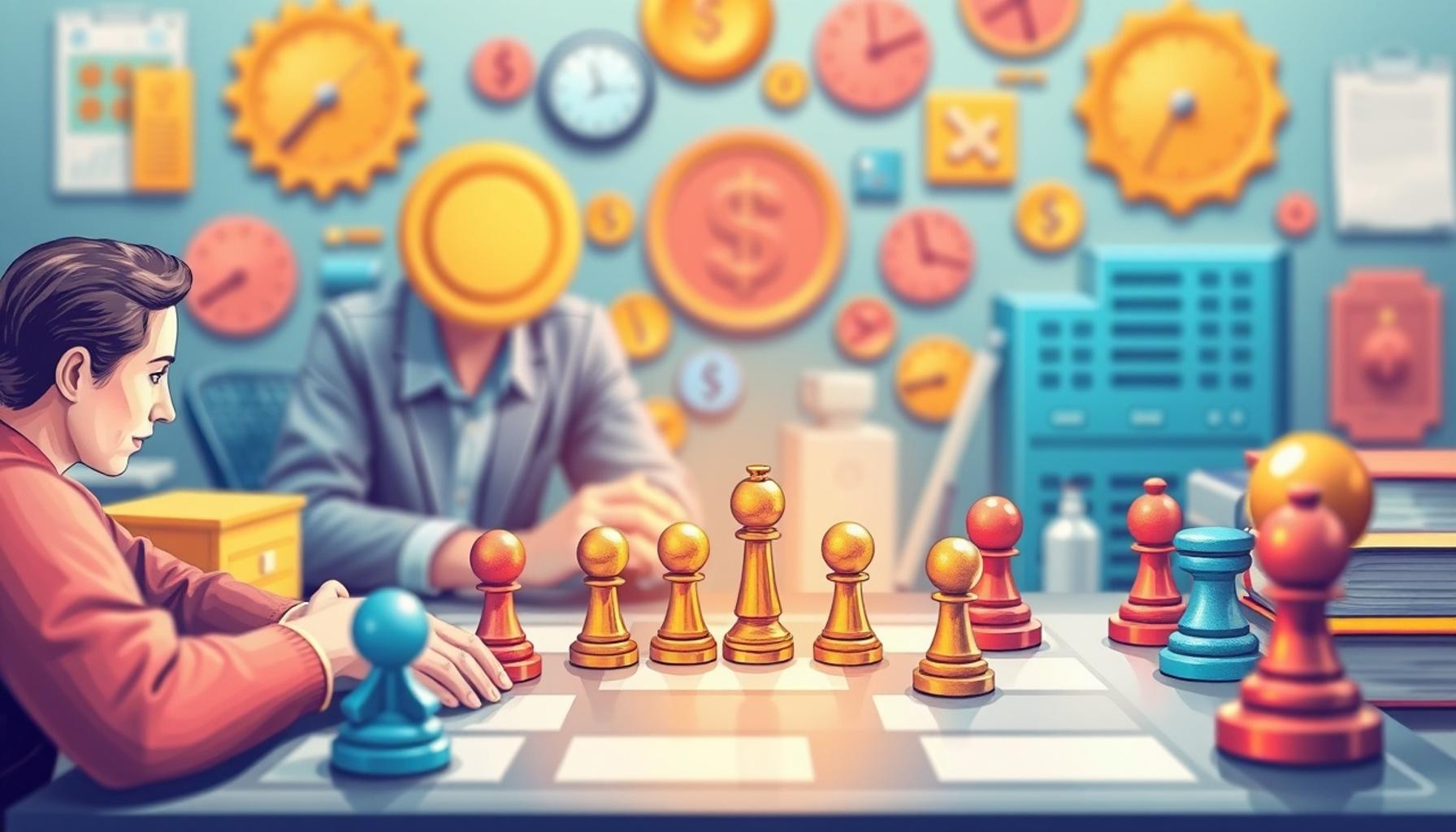
The Cognitive Benefits of Engaging with Strategy Games
In an increasingly fast-paced world, memory and concentration have become crucial skills for navigating daily challenges. Whether tackling academic endeavors, managing business tasks, or juggling personal commitments, the mental agility required can often feel overwhelming. One engaging and enjoyable way to sharpen these necessary skills is through playing strategy games.
Strategy games are not just a source of entertainment; they provide substantial cognitive benefits that improve essential mental faculties. For instance, consider how these games can enhance memory and concentration:
- Improved Memory: Strategy games require players to remember complex rules, various game pieces, and multiple variables. Each move builds on knowledge gained from previous turns, making memory retention key to winning. For example, in games like chess or Ludu, players must recall past moves and outcomes to devise their next strategy.
- Enhanced Concentration: Engaging deeply with these games demands full attention. Players often find themselves in high-stakes environments where distractions can lead to failure. This cultivated focus can translate into other areas of life, allowing individuals to better manage their time and tasks effectively.
- Problem-Solving Skills: Strategy games teach players how to think critically and devise strategic responses to opponents’ moves. This skill isn’t confined to gaming; it can enhance decision-making capabilities in everyday life. For instance, negotiating terms in business or resolving conflicts relies heavily on similar strategic thought processes.
For readers in Nigeria, traditional games like Ludu and Draft are prime examples of how strategy games can promote mental agility. These games are not only popular forms of entertainment during family gatherings or social events but also encourage players to think ahead and strategize their moves meticulously. Engaging with Ludu can expose players to the joy of competition while enhancing their ability to anticipate an opponent’s next step.
Moreover, exploring various tactics within these games can reveal their potential impact on cognitive function. A deeper understanding of how elements such as risk assessment, resource management, and long-term planning come into play can help players harness the power of strategic gaming for cognitive advancement.
In conclusion, the intersection of gaming and brain function is fascinating and richly layered. By understanding the cognitive skills developed through strategy games, individuals can leverage playtime not just for leisure but as an invaluable tool for sharpening their minds. As we continue to explore the world of strategy games, the potential for personal growth and enhanced cognitive abilities is undoubtedly something worth investigating further.
LEARN MORE: This related article may interest you
Unlocking Cognitive Potential Through Strategy Games
Strategy games offer much more than just entertainment; they are powerful tools for mental development. These games are designed to challenge players and encourage them to think critically, solve problems, and manage resources effectively. The essence of strategy games lies in their requirement for players to engage actively with the game mechanics, thereby boosting memory and concentration levels significantly. Understanding these cognitive aspects can help individuals, particularly in Nigeria, harness the benefits of strategic play for personal and professional growth.
The brain, much like any other muscle, requires exercises to stay fit and functional. Playing strategy games acts as a mental workout, sharpening cognitive skills in various key areas:
- Memory Enhancement: Strategy games are structured to challenge players’ recall abilities. Players must remember specific rules, strategies, and previous moves, which fosters a significant improvement in memory. Games such as chess, commonly played in Nigeria’s urban parks, require players to keep track of countless variables and anticipate opponent moves based on past experiences.
- Increased Focus: These games often place individuals in scenarios that demand undivided attention. The need to concentrate intensifies as players navigate complex challenges, resulting in improved focus over time. This concentration can seamlessly transfer to other areas of life, such as studying for exams or managing work deadlines, enhancing overall productivity.
- Critical Thinking and Decision Making: Engaging with strategy games cultivates critical thinking skills. Players must analyze their options, anticipate their opponents’ moves, and make rapid decisions. By honing these skills, players become adept at tackling real-life problems, whether negotiating business contracts or resolving everyday conflicts.
For instance, traditional games like Ludu and Draft are staples in many Nigerian households, offering family bonding moments while simultaneously developing cognitive skills. The competitive nature of these games encourages players to strategize effectively and learn from their mistakes, continually refining their decision-making capabilities.
In addition, engaging with strategy games offers insights into risk assessment and long-term planning. Players learn to weigh their options carefully, deciding when to take calculated risks or play defensively. This experience not only benefits gameplay but can also influence personal and professional decision-making, allowing individuals to approach challenges with a more measured mindset.
Exploring the cognitive benefits of strategy games reveals a fascinating intersection between play and mental growth. By integrating strategy games into everyday life, individuals can develop techniques that will ultimately sharpen their minds, improve their memory, and enhance concentration. Whether one is playing with family during traditional festivities or engaging in online strategy game tournaments, the mental benefits are both significant and lasting.
The Role of Strategy Games in Cognitive Development
Strategy games have long been recognized as a powerful tool for cognitive development, offering players engaging challenges that sharpen their minds. These games, encompassing a variety of formats from board games to digital strategies, demand a high level of concentration, critical thinking, and memory utilization. As players navigate through intricate scenarios, they must employ problem-solving techniques and strategic planning, all while remembering previous moves and anticipating future outcomes.
Memory Enhancement Techniques
Participating in strategy games enhances memory through repetitive gameplay, where players develop patterns and recall strategies associated with their success. This stimulation is particularly beneficial for long-term memory, as the brain is trained to store and retrieve information quickly. According to recent studies, engaging with memory-focused challenges within these games activates neural pathways, promoting enhanced cognitive functions. Moreover, the incorporation of cooperative gameplay encourages players to communicate and share insights, further reinforcing memory retention.
Improving Concentration Levels
In today’s fast-paced world, maintaining concentration can be a daunting task. Strategy games require sustained attention and discipline, training the brain to focus intensely for extended periods. Researchers have found that the structured format of these games can lead to improved concentration levels not only during gameplay but also in other aspects of life, such as academic performance and professional tasks. By immersing oneself in complex gameplay, players learn to block out distractions and hone their focus. This is especially important as distractions are ever-present in modern life.
| Advantages | Description |
|---|---|
| Enhanced Memory | Players develop stronger recall abilities through gameplay repetition. |
| Increased Concentration | Structured gameplay trains the brain to focus amid distractions. |
By integrating strategy games into daily routines, individuals can harness these cognitive benefits to achieve a sharper mind and improved overall performance, both mentally and academically. The complexities and challenges posed by these games not only make them enjoyable but also serve as a valuable method for cognitive enhancement.
YOU MAY ALSO LIKE: Read read another article
The Transformative Impact of Social Interaction in Strategy Games
In Nigeria, the cultural context of gaming plays a pivotal role in enhancing the cognitive benefits of strategy games. These games thrive on social interaction, which not only makes the experience enjoyable but also amplifies their effectiveness in improving memory and concentration. Gathering around a board game with family or friends fosters an engaging atmosphere where players are compelled to communicate, negotiate, and collaborate—all of which are forms of mental exercise.
One of the most significant advantages that arise from this social dimension is enhanced communication skills. As players engage with one another, they must articulate their thoughts, strategies, and decisions. This interactive discourse sharpens cognitive faculties while building one’s ability to convey complex ideas clearly. Games like Monopoly or Risk, often played during social gatherings, prompt players to discuss their strategies and justify their decisions, thus deepening their understanding of the game while honing their verbal skills.
The competitive spirit that emerges during gameplay also contributes to the enhancement of emotional intelligence. Understanding opponents’ tactics, gauging their reactions, and adapting strategies accordingly require strong observational skills and empathy. In Nigerian communities, where games often symbolize communal connection, this emotional engagement can lead to profound capacities for self-regulation and social awareness, ultimately benefiting one’s interpersonal relationships both inside and outside the gaming environment.
Moreover, playing strategy games within a group setting often leads to the practice of pulse-checking—an ability to read the room and adjust one’s strategy. This skill is particularly beneficial in real-life situations such as workplace dynamics, where individuals must navigate opinions and emotions. As players learn who to ally with and when to distract or negotiate with others, they refine their capabilities in strategic thinking and social maneuvering, which are essential in modern-day professional settings.
Additionally, the accessibility of strategy games across different platforms means that individuals in Nigeria can engage with these activities outside traditional board games. Online multiplayer strategy games, such as League of Legends or Age of Empires, allow players to connect with others globally. Such platforms further bolster cognitive development, as players must not only invest mental energy into their gameplay but also collaborate with teammates, analyze opponents in real-time, and adapt to fast-changing conditions—all of which sharpen memory and concentration.
Encouragingly, educational institutions in Nigeria are recognizing the potential of strategy games. Many schools are beginning to incorporate these games into their curriculums, promoting not just fun but also the cognitive benefits of enhanced memory, focus, and problem-solving skills. By integrating strategy games into learning environments, educators aim to create more engaging and impactful academic experiences, particularly in subjects like mathematics and history where strategic thinking is often essential.
The multifaceted advantages of strategy games extend far beyond mere entertainment. By focusing on the cognitive and social aspects of gameplay, individuals can improve their memory and concentration while enjoying enriching interactions with others. The communal spirit and cognitive challenge that these games offer are essential in cultivating sharper minds equipped for both personal and professional success.
SEE ALSO: Click here to read another article
Conclusion: Unlocking Cognitive Potential through Strategy Games
In conclusion, the insights gathered on strategy games highlight their profound influence on enhancing memory and concentration, particularly in the rich cultural fabric of Nigeria. These games, which foster an interactive and social environment, not only serve as a source of entertainment but also as powerful tools for cognitive development. From enhancing communication skills to enriching emotional intelligence, strategy games cultivate an array of skills that are pivotal in both personal and professional realms.
The practical application of these games goes beyond mere hypothetical advantages. As institutions gradually integrate strategy games into educational settings, students experience a deeper engagement with learning, particularly in challenging subjects like mathematics and history. The incorporation of games like Chess or Scrabble can make abstract concepts tangible, thereby reinforcing key critical thinking skills.
Moreover, the widespread accessibility of both offline and online strategy games empowers individuals to develop their cognitive capabilities from the comforts of home or via global connections. As young gamers adopt these activities, they’re participating in a global dialogue that enhances their cognitive flexibility and teamwork capabilities, which are increasingly valued in today’s interconnected world.
As we venture into an era where mental agility is paramount, recognizing the significance of strategy games can unlock pathways to sharper minds. By fostering both mental resilience and a sense of community, these games help individuals navigate life’s complexities with enhanced focus and recall. Therefore, embracing strategy games as a regular part of our lives could very well be the key to sharpening our minds and nurturing the intellects of future generations.

Beatriz
Beatriz Johnson is a seasoned puzzle enthusiast and writer with a passion for unraveling the complexities of mind games and brain teasers. With over a decade of experience in the world of puzzles, she specializes in topics like logic games, riddles, and strategic challenges. Through her work, Beatriz empowers readers to sharpen their problem-solving skills, think creatively, and stay engaged in the ever-evolving landscape of mind games and puzzles.