Utilizing Strategy Games to Enhance Working Memory and Decision-Making Skills
The Role of Strategy Games in Cognitive Enhancement
In today’s fast-paced world, where decision-making can mean the difference between success and failure, enhancing cognitive abilities is crucial. One engaging method that’s gaining attention is leveraging strategy games to bolster working memory and sharpen decision-making skills.
Strategy games are more than simple entertainment; they serve as potent tools for cognitive development. The mental engagement these games require leads to various cognitive benefits, including:
- Improved problem-solving skills – Players are often tasked with overcoming obstacles and challenges, encouraging innovative thinking.
- Enhanced critical thinking – The need to analyze every move fosters a more analytical mindset, crucial for both personal and professional scenarios.
- Better multitasking abilities – Many strategy games require players to monitor multiple factors simultaneously, thus improving their capacity to juggle various tasks effectively.
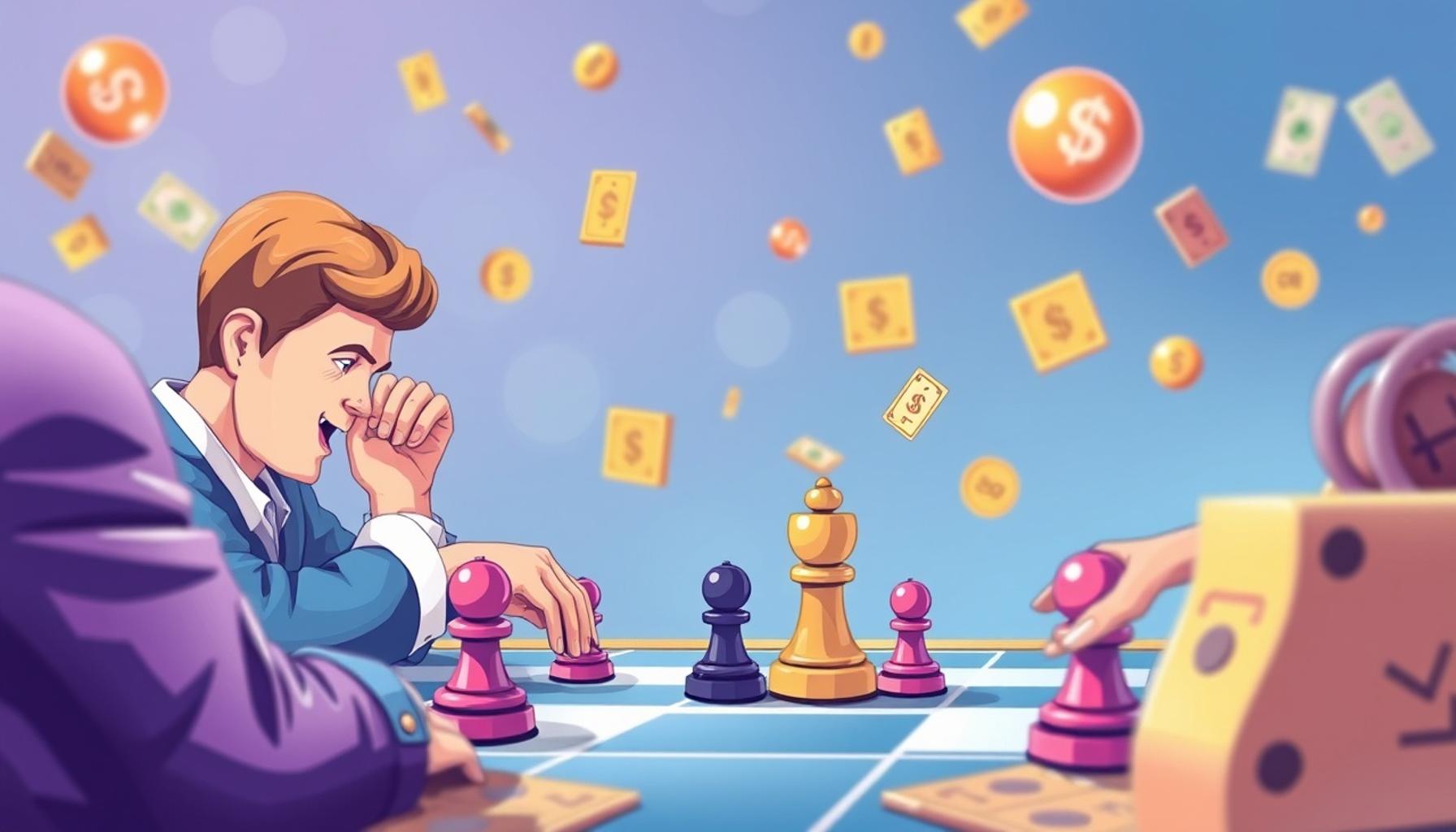
In Nigeria, traditional games like Ludu and Checkers have been cherished for generations, often played during family gatherings and festive occasions. These games not only provide entertainment but also encourage strategic thinking, as players must anticipate opponents’ moves and adjust their strategies accordingly. Such scenarios act as practice grounds for real-world decision-making, where each choice can have consequential impacts.
Contrasting these traditional games with modern strategy games like StarCraft or Civilization illuminates the transformative potential of cognitive enhancement. These games immerse players in intricate environments where they must anticipate the repercussions of their actions. Research indicates that this immersion can significantly bolster working memory by strengthening neural pathways in the brain. For instance, a study conducted by scientists at the University of Geneva found that playing strategy games improved participants’ ability to strategize effectively, ultimately leading to increased productivity in their daily tasks.
As players navigate various challenges and scenarios in strategy games, they develop a keen awareness of their surroundings. This heightened observation translates seamlessly into enhanced skills in everyday situations, from managing household logistics to making quick, calculated decisions in professional settings.
This intersection of gaming and cognitive development may revolutionize the approach to enhancing mental acuity, especially within the Nigerian context. As both modern and traditional games are integrated into educational curriculums, the potential for improved mental agility in the youth of Nigeria is immense. The challenge now lies in promoting these games as essential tools for cognitive growth rather than merely pastimes.
Exploring the influences of strategy games offers rich insights into how we can approach cognitive development and decision-making processes, making it a relevant pursuit not only in Nigeria but globally. The fusion of tradition and modern gaming can pave the way for a brighter, more strategic future in various spheres of life.
CHECK OUT: Click here to explore more
Unlocking Cognitive Potentials Through Strategic Gameplay
As the complexities of modern life unfold, the demand for enhanced working memory and improved decision-making skills grows paramount. Strategy games stand at the intersection of entertainment and cognitive training, providing a unique environment where players can exercise their mental faculties. By engaging with these games, individuals can unlock new dimensions of cognitive potential that directly impact both personal and professional realms.
One of the most notable benefits of playing strategy games is their capacity to foster working memory. This critical cognitive function allows individuals to retain and manipulate information over short periods, a skill essential for effective decision-making. Strategy games often require players to remember previous actions, anticipate opponent moves, and strategize accordingly. By continuously engaging in these mental challenges, players can significantly enhance their working memory capacity. For instance, the repeated strategic planning involved in games like Chess or Settlers of Catan encourages neural development, leading to more effective information processing and recall.
Furthermore, the strategic nature of these games cultivates a more profound understanding of cause and effect. Players learn to weigh the potential consequences of their actions, fostering critical thinking and analytical skills. Whether it is executing a detailed land strategy in Civilization or navigating economic tactics in Age of Empires, the need to analyze outcomes and adapt plans accordingly sharpens cognitive agility. This dynamic boosts not only gaming performance but carries over into real-life decision-making scenarios. For instance, businesses can glean valuable insights from players who have engaged in complex strategy games, as they tend to approach problems with innovative solutions and adaptable strategies.
Moreover, many strategy games foster collaboration and communication, especially in multiplayer formats. Games like League of Legends or DOTA 2 demand teamwork, where players must share information and make decisions collectively. This collaborative aspect not only enhances social skills but also leads to improved group decision-making processes. In Nigeria, where community relationships are vital, the integration of these types of games can enhance interpersonal skills, encouraging teamwork amongst players who may carry these skills into community projects or work environments.
To fully harness the cognitive benefits of strategy games, individuals should consider incorporating them into their routines not merely as leisure activities but as integral tools for personal growth. The following strategies can help maximize the benefits of playing strategy games:
- Set Specific Goals: Establish clear cognitive objectives before engaging in gameplay.
- Analyze Gameplay: Reflect on decisions made during the game to identify patterns and areas for improvement.
- Engage with Diverse Games: Diversifying the types of strategy games played can provide a broader array of cognitive challenges.
- Collaborate with Others: Playing with friends or joining online communities encourages shared learning and enhances decision-making through group interaction.
In the context of Nigeria, the combination of traditional and modern strategy games offers a wealth of opportunities for cognitive development. By promoting these games in educational settings and community initiatives, there lies a substantial potential for shaping a generation adept at both working memory and decision-making skills, paving the way for future leaders equipped to tackle tomorrow’s challenges.
| Category | Description |
|---|---|
| Memory Enhancement | Strategy games require players to remember locations, rules, and sequences, effectively training and improving working memory. |
| Decision-Making Skills | Playing strategy games sharpens analytical thinking and promotes quicker, more effective decision-making in real-life scenarios. |
Incorporating strategy games into daily activities can significantly enhance both cognitive skills and daily functioning. Engaging in these games challenges players to navigate complex problem-solving situations, allowing them to practice making informed decisions under pressure. As players adapt to the evolving dynamics of the game, they refine their ability to weigh options and consequences, thus honing their judgment skills.Furthermore, these games often foster an environment of collaboration and competition, which can lead to improved social interactions. As players engage with one another, they not only share strategies but also learn the value of teamwork and diverse perspectives. This unique synergy between memory enhancement and decision-making skills underscores the multifaceted benefits of strategy games, enticing individuals to delve deeper into their vast potential for cognitive development. Understanding these advantages encourages readers to explore various strategy games that can seamlessly integrate into their routines, transforming leisure time into an opportunity for personal growth.
RECOMMENDED: Check out this similar article
The Social Dynamics and Learning Experience in Strategy Games
Beyond the enhancement of working memory and decision-making skills, strategy games offer compelling opportunities for emotional and social learning, vital components in any educational landscape. In nations like Nigeria, where social interaction is woven deeply into the fabric of society, the collective experience of strategy gaming can significantly contribute to personal development and community cohesion. By participating in these games, players cultivate emotional intelligence, fostering skills in empathy, patience, and conflict resolution—critical attributes in both personal and professional settings.
Another salient feature of strategy games is their inherent demand for strategic foresight. Players must predict potential scenarios and outcomes based on current gameplay, a skill that translates directly to navigating real-life situations. Whether it’s planning a business initiative or negotiating a community project, the capability to anticipate future developments gives individuals a distinct edge. For example, games such as StarCraft require players to not only deal with immediate challenges but also consider long-term strategies that impact their overall success. This emphasis on planning ahead encourages a mindset that transcends the gaming atmosphere, equipping players with tools for effective project management and leadership in diverse domains.
Moreover, the available data suggests that engaging in strategic gameplay can have pronounced effects on academic performance as well. A study conducted by the University of Michigan highlighted that students involved in strategy gaming showed an enhancement in problem-solving capabilities and analytical thinking. These skills are fundamental in academic settings, particularly in a country like Nigeria, where educational rigor is vital for career advancement. As more youth are introduced to strategy games in schools and after-school programs, the potential for improved academic achievement grows exponentially.
Incorporating strategy games within the educational curriculum can also pave the way for promoting STEM (Science, Technology, Engineering, and Mathematics) learning. Games that require resource management and engineering skills, like Factorio, not only captivate student interest but also cultivate a practical understanding of complex concepts. Programming and spatial reasoning skills, developed through gaming, are increasingly critical in today’s job market. Consequently, Nigerian educational institutions are encouraged to embed game-based learning into their frameworks, tapping into this innovative method to prepare students for future challenges.
For those looking to optimize their gameplay for cognitive enhancement, integrating the following practices can serve as a catalyst for growth:
- Daily Play Sessions: Designate consistent time for engaging with strategy games to ensure steady cognitive development.
- Join Competitive Leagues: Being part of organized online tournaments sharpens competitive instincts and group decision-making abilities.
- Analyze and Share Strategies: Discussing gameplay with peers fosters a collaborative learning environment where sharing insights can magnify cognitive skill development.
- Incorporate Game Reviews: Writing or participating in discussions about gameplay experiences can further enhance critical thinking and articulation of complex ideas.
The vast landscape of strategy games presents an exceptional avenue for cognitive and personal development, particularly in a landscape as diverse as Nigeria. By embracing the distinctive capacity of these games to cultivate vital working memory and decision-making skills, individuals can equip themselves with a toolkit tailored for navigating the multifaceted challenges of today’s society.
LEARN MORE: This related article may interest you
Conclusion: Unlocking the Potential of Strategy Games
In conclusion, the profound impact of strategy games on enhancing working memory and decision-making skills cannot be overstated. These engaging platforms not only foster cognitive agility but also instill essential skills like strategic foresight and emotional intelligence, which are vital in both personal and professional arenas. For individuals in Nigeria, where collaboration and social interaction hold significant cultural importance, the communal aspect of strategy gaming serves to strengthen community ties while nurturing individual growth.
As revealed in various research studies, the benefits extend beyond just mental capacity; they translate directly into improved academic performance and career preparedness. The integration of game-based learning into educational curricula promises to revolutionize the way students interact with subjects such as STEM, providing a dynamic approach that resonates with today’s youth. Moreover, adopting consistent gaming practices, such as joining competitive leagues and engaging in strategic discussions, can further amplify cognitive benefits and create an enriched learning environment.
Ultimately, by recognizing and embracing the value of strategy games, educators, parents, and policymakers can effectively empower the next generation. Implementing these games within educational frameworks could pave the way for a workforce equipped to tackle complex challenges head-on. As we continue to explore the potential of strategy games as a formidable tool for cognitive enhancement, we invite readers to delve deeper into this fascinating realm. The possibilities for personal and cognitive development are vast, waiting to be unlocked through engaging gameplay.

Beatriz
Beatriz Johnson is a seasoned puzzle enthusiast and writer with a passion for unraveling the complexities of mind games and brain teasers. With over a decade of experience in the world of puzzles, she specializes in topics like logic games, riddles, and strategic challenges. Through her work, Beatriz empowers readers to sharpen their problem-solving skills, think creatively, and stay engaged in the ever-evolving landscape of mind games and puzzles.