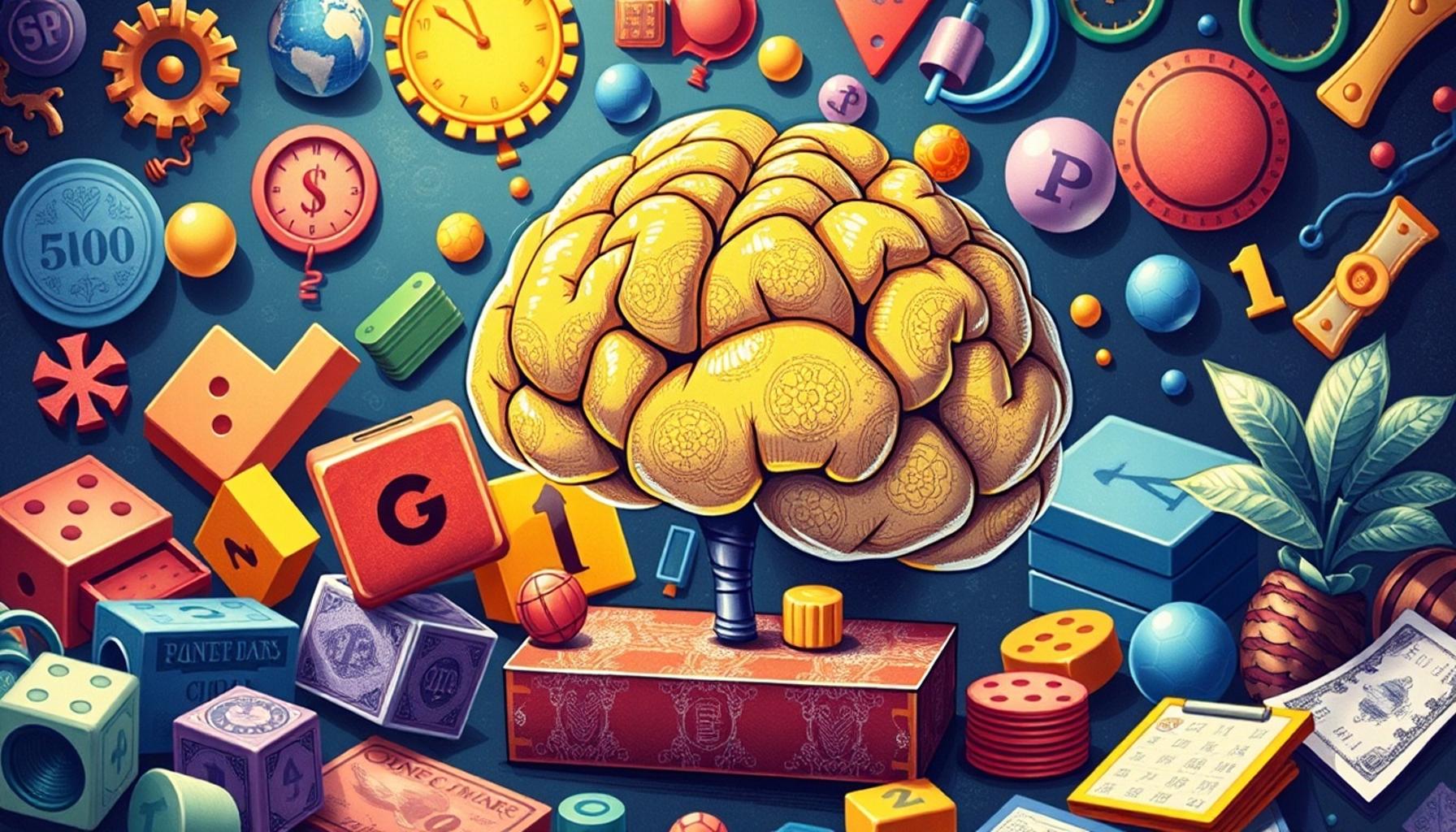
Exploring the Cognitive Benefits of Logic Games: How Mental Challenges Improve Reasoning and Mental Agility

Unlocking New Potential with Logic Games
In an era marked by digital devices pulling our attention in multiple directions, finding effective ways to engage and stimulate the brain is of utmost importance. The integration of logic games into daily life can serve as a powerful means to sharpen reasoning skills and boost mental agility. These games not only entertain but also play a vital role in enhancing cognitive health.
For students in Nigeria, particularly in a competitive academic environment, the value of honing mental faculties cannot be overstated. Likewise, professionals navigating complex decision-making scenarios will find that applying logic games can lead to substantial improvements in their thought processes. The allure of logic games lies in their ability to challenge the mind, creating an inviting platform for personal growth. Here are several noteworthy advantages:
- Enhanced Problem-Solving Skills: Engaging regularly in logic puzzles cultivates critical analytical thinking. For instance, many students preparing for the Unified Tertiary Matriculation Examination (UTME) can benefit from practicing these games as they encourage a structured approach to tackling difficult questions.
- Improved Memory: Numerous logic games require players to remember specific patterns, strategies, and rules. Games such as Sudoku or chess not only stimulate the mind but also enhance cognitive retention important for schoolwork or professional tasks.
- Greater Focus: By immersing oneself in these challenging tasks, players can significantly bolster their concentration abilities. This is particularly beneficial in an academic setting where distractions abound, allowing students to maintain attention over prolonged periods.
Research underscores that engaging with mental challenges, such as puzzles or strategy games, can greatly elevate cognitive function while simultaneously instilling a sense of achievement. In a bustling country like Nigeria, where educational and professional pressures can become overwhelming, utilizing logic games may offer a valuable solution to fortify one’s mind. The ability to think critically and solve problems effectively is more than just an asset; it has become an essential skill in today’s world.
Dive deeper into the compelling realm of logic games and uncover how this simple yet profound activity can enhance your cognitive landscape. By embracing the challenges they present, individuals can unlock a sharper, more agile mind capable of navigating life’s complexities with confidence.
YOU MAY ALSO LIKE: Read read another article
The Brain’s Workout: How Logic Games Reinforce Cognitive Skills
As individuals seek ways to enhance their cognitive abilities, logic games present an engaging avenue for brain training. These games challenge players not just to solve problems, but to think strategically and creatively. The benefits extend beyond mere entertainment; they can greatly influence how we approach reasoning, analysis, and decision-making in various aspects of life.
Engaging with logic games can stimulate different areas of the brain, encouraging neural connections that are essential for effective reasoning. Many of these games require players to strategize, anticipate opponents’ moves, and adapt their approaches, thereby fostering a flexible mindset. Here are several key cognitive benefits of incorporating logic games into one’s routine:
- Enhanced Logical Reasoning: Logic games often involve discerning patterns and relationships, demanding players to think in a structured manner. This type of thinking is crucial in environments like examination halls, where students in Nigeria must analyze questions quickly and accurately. By honing these skills, players become adept at logical reasoning, which directly translates to academic performance.
- Creative Problem Solving: While traditional learning often emphasizes rote memorization, logic games encourage creativity. Players are prompted to think outside the box, experimenting with various strategies to find solutions. This is particularly valuable for professionals who face unexpected challenges in their work, as innovative thinking is a crucial asset for success.
- Increased Cognitive Flexibility: The constant adaptation required in logic games imbues players with cognitive flexibility—the ability to switch between different concepts or think about multiple concepts simultaneously. This skill is essential in today’s fast-paced world, where individuals often juggle multiple tasks, both personal and professional.
Studies indicate that engaging with challenging activities like logic games results in improved cognitive capabilities. The repetitive nature of these games reinforces learning and memory, making it easier to grasp complex concepts over time. This cumulative effect is particularly beneficial for young learners in Nigeria, who must absorb vast amounts of information throughout their educational journeys.
Moreover, in Nigeria where competition in both academics and the job market is fierce, mastering these mental challenges can provide a significant edge. Logic games can serve not only as a source of enjoyment but also as a pivotal tool for personal development, enabling students and professionals alike to navigate challenges with confidence and skill.
As players uncover the cognitive benefits of logic games, they simultaneously cultivate a deeper understanding of how to approach problems in real life. The skills derived from these mental challenges foster a mindset geared towards success in every facet of life.
Logic games are more than just a source of entertainment; they serve as powerful tools in enhancing cognitive faculties. Engaging regularly in these puzzles can greatly influence one’s reasoning skills and mental agility. The potential benefits are vast, ranging from improved problem-solving abilities to greater adaptability in challenging situations.
One of the most compelling advantages of logic games is their ability to bolster critical thinking. These activities often require players to analyze, evaluate, and synthesize information, thereby sharpening their decision-making capabilities. By facing complex scenarios and rules, individuals naturally learn to think more strategically. This skill transcends the gaming environment, aiding in various real-life situations, from academic pursuits to everyday decisions.
Furthermore, logic games are excellent for enhancing cognitive flexibility. Players are frequently required to switch between different tasks or approaches to reach a solution. Such mental shifts can improve one’s ability to adapt to new challenges, a crucial trait in our fast-paced world. In addition, studies have shown that regular mental exercise through games can lead to long-lasting changes in brain functions, potentially delaying cognitive decline as we age.
Another remarkable aspect of logic games is their role in fostering collaborative skills. Many of these games can be played in groups, encouraging communication and teamwork. Players learn to negotiate ideas, share strategies, and collaborate towards a common goal, further enhancing not only their cognitive processes but also their social interactions. Overall, the engagement in logic games presents a unique blend of personal development and social growth, making them an invaluable addition to cognitive training.
| Cognitive Function | Benefits of Logic Games |
|---|---|
| Critical Thinking | Enhances decision-making and strategic planning. |
| Cognitive Flexibility | Improves adaptability and problem-solving in various contexts. |
| Collaborative Skills | Fosters teamwork and communication among players. |
With these profound cognitive advantages, it’s clear that logic games play a significant role in mental development. By integrating them into daily routines, individuals can unlock potential they may not even realize exists, paving the way for enhanced reasoning skills and improved mental agility.
YOU MAY ALSO LIKE: Read read another article
Building Resilience: The Impact of Logic Games on Mental Agility
Beyond enhancing logical reasoning and creative problem-solving, logic games contribute significantly to developing mental agility, a vital attribute in today’s ever-evolving world. Agility in cognitive processes allows individuals to swiftly adapt to new situations and make informed decisions under pressure. This is particularly relevant in the context of Nigeria, where the multifaceted demands of modern life—both academically and professionally—require a high level of mental dexterity.
One fascinating aspect of playing logic games involves the concept of resilience. Engaging with challenging puzzles and strategies teaches players to pursue solutions despite setbacks. Each time individuals encounter a difficult puzzle or a seemingly insurmountable challenge, they must tackle it with persistence and patience. This experience builds a mental tenacity that is transferable to real-life scenarios. For instance, while preparing for exams, Nigerian students may face obstacles like time constraints or difficult questions. The cognitive resilience fostered through logic games equips them with the mindset necessary to navigate these hurdles effectively.
Furthermore, the structured nature of logic games helps players develop a keen sense of situational awareness. Players learn to assess available information, recognize relevant patterns, and anticipate the implications of their choices. In practical terms, this heightened awareness can enhance decision-making in various life situations—from career advancements to personal relationships. An individual trained to analyze patterns in games is more likely to notice subtleties in interpersonal dynamics or make informed career choices in a competitive job market.
Research has also highlighted the role of logic games in promoting executive functioning, a set of cognitive processes essential for controlling behavior and managing tasks. Skills such as working memory, cognitive flexibility, and inhibitory control are crucial in both academic and professional settings. For instance, professionals in Nigeria working within dynamic industries must often pivot their strategic thinking to adapt to shifting consumer demands and market trends. Logic games that require quick thinking and adaptability can enhance these executive functions, leading to improved workplace efficacy.
Another intriguing benefit of logic games is their potential to reduce cognitive decline associated with aging. Engaging regularly in mentally stimulating activities helps maintain brain health, fostering neuroplasticity—the brain’s ability to reorganize itself by forming new neural connections. In a nation like Nigeria, where family structures often involve elder care, the promotion of logic games amongst older generations can help in sustaining cognitive function. Activities that stimulate the mind can offer seniors not only enjoyable leisure time but also yield substantial health benefits.
In addition to personal development, the collaborative aspect of many logic games fosters social connections. Shared game-learning experiences can enhance communication and teamwork skills, attributes that are particularly important in Nigeria’s workplace settings where collaboration often underpins success in various sectors. As individuals come together in the pursuit of problem-solving, they reinforce bonds that are critical for community and workplace cohesion.
In summary, the practice of engaging with logic games serves as a multifaceted tool for enhancing mental agility. The culmination of these cognitive benefits paves the way for individuals to stay sharp, adaptable, and resilient, ready to take on the numerous challenges that life in Nigeria presents.
LEARN MORE: This related article may interest you
Conclusion: Unlocking Potential Through Logic Games
In exploring the cognitive benefits of logic games, we unveil a treasure trove of advantages that extend well beyond mere entertainment. By engaging deeply with these mental challenges, individuals develop enhanced reasoning skills and improved mental agility—qualities that are increasingly essential in our fast-paced, ever-changing world. In the context of Nigeria, where adaptability and quick decision-making are paramount, the advantages of participating in logic games become even more pronounced.
The role of logic games in fostering resilience cannot be overstated. As players encounter and overcome challenges, they cultivate a mindset that thrives on persistence and adaptability. This resilience translates effectively into real-life scenarios, enabling students and professionals alike to navigate obstacles with a strategic approach. Moreover, the benefits of logic games extend to the older generation, providing them with a platform to maintain cognitive health and sustain meaningful social connections.
Furthermore, as logic games hone executive functioning skills, they prepare individuals to excel academically and professionally. The ability to think critically, manage tasks effectively, and communicate within teams enhances not just personal growth but collective success in collaborative environments.
Ultimately, engaging with logic games is more than an enjoyable pastime; it is a vital exercise for building a sharper mind, enhancing social connections, and fostering a vibrant community spirit. Whether for students gearing up for exams or professionals overcoming workplace challenges, the cognitive benefits of logic games offer a pathway to unlocking one’s full potential. As we embrace these mental challenges, we lay the groundwork for a more agile, informed, and resilient society.

Beatriz
Beatriz Johnson is a seasoned puzzle enthusiast and writer with a passion for unraveling the complexities of mind games and brain teasers. With over a decade of experience in the world of puzzles, she specializes in topics like logic games, riddles, and strategic challenges. Through her work, Beatriz empowers readers to sharpen their problem-solving skills, think creatively, and stay engaged in the ever-evolving landscape of mind games and puzzles.