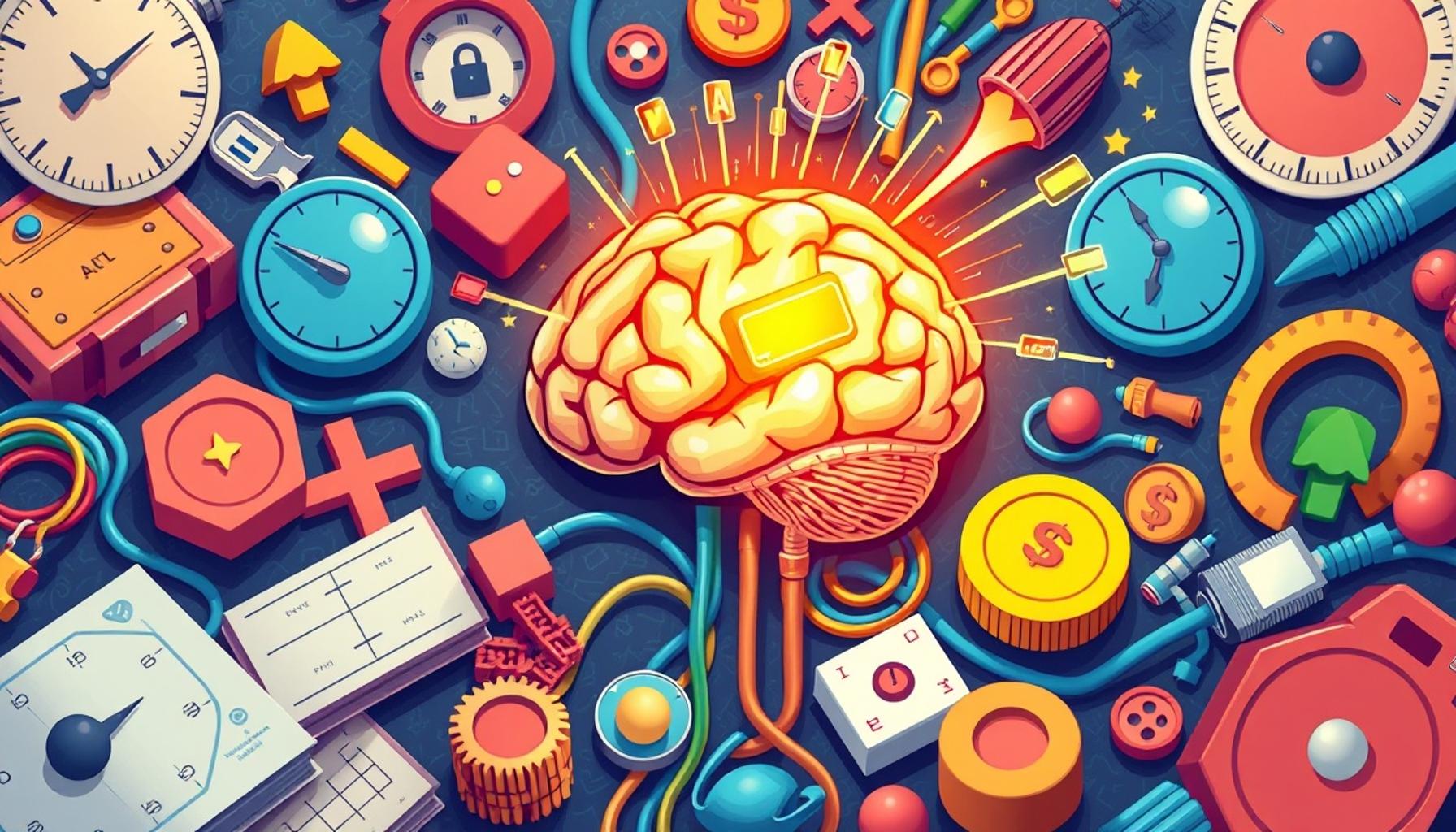
The Influence of Logic Games on Mental Agility: How Puzzles Enhance Reasoning and Decision-Making Skills

The Benefits of Logic Games
In a world where rapid decision-making skills are becoming increasingly important, logic games serve as an engaging avenue for boosting mental sharpness. Ranging from classic puzzles like crosswords and Sudoku to strategy-intensive games like chess, these challenges offer a multifaceted approach to cognitive development. But what specific benefits can players expect to gain from regularly interacting with these enigmatic pursuits?
- Improved Problem-Solving: Regular engagement with logic games fosters an analytical mindset, enabling better evaluation and resolution of problems. For instance, a game of chess requires players to think several moves ahead, considering various possible outcomes while strategizing their approach. This skill translates well into real-life scenarios, such as managing work projects or resolving conflicts.
- Enhanced Memory: Many logic games demand players to remember intricate patterns, sequences, and rules, which significantly boost memory retention. Think of games like Sudoku, where recalling number placements from earlier rows can serve as a critical advantage. Enhanced memory also helps in academic pursuit, where students can benefit from improved recall during exams.
- Boosted Creativity: These puzzles stimulate innovative thinking, encouraging players to explore multiple solutions or approaches to a single problem. For example, in games like Ludu, players must adapt their strategy as they interact with competitors, promoting inventive thinking and the ability to pivot in response to changing situations.
For readers in Nigeria, where traditional games like Ludu and Ayo maintain cultural significance, integrating modern logic games can elevate both entertainment and cognitive growth. The vibrant communities around these games not only foster social interaction but also provide an excellent platform for mental skill development. Furthermore, studies indicate that individuals who regularly engage with logic games experience elevated focus and increased mental clarity, further enhancing everyday problem-solving capabilities.
The Power of Puzzles
As we examine the intricate relationship between puzzles and cognitive enhancement, it becomes clear how these skills can translate into daily life. From students facing academic challenges to professionals making complex decisions, the mental agility gained from logic games proves invaluable. The focus required in solving puzzles helps in better attention to detail, while the strategic mindset developed through games like chess can lead to improved outcomes in business negotiations.
In sum, the call to embrace logic games is not just about entertainment; it signifies a broader opportunity for personal and professional growth. As players unlock the benefits of enhanced problem-solving, memory, and creativity, they are better equipped to navigate the increasingly complicated landscapes of modern life. Investing time in logic games can yield significant dividends, enriching both the mind and the soul.
SEE ALSO: Click here to read another article
Understanding Mental Agility Through Logic Games
The concept of mental agility encompasses a range of cognitive abilities, including reasoning, decision-making, and the capacity to adapt to new challenges. Engaging with logic games offers a practical means to develop these skills, which are essential in various aspects of life. As individuals immerse themselves in these stimulating activities, they inadvertently train their brains to tackle obstacles with greater efficiency and confidence. But how exactly do these games cultivate mental agility?
First and foremost, logic games are rooted in challenge and strategy, requiring players to think critically and plan their moves meticulously. Take, for example, a game of chess. Each move is not merely reactive; it involves anticipating the opponent’s strategies while considering the long-term implications of one’s actions. This level of strategic thinking is invaluable in everyday decision-making, where analyzing the potential repercussions of choices can lead to more favorable outcomes.
Furthermore, the variety of logic games available provides an opportunity to hone specific facets of mental agility. Here are some notable ways in which different logic games contribute to cognitive growth:
- Analytical Thinking: Games like Sudoku require breakdown and systematic approaches to problem-solving, leading players to enhance their analytical skills as they decipher patterns and relationships.
- Risk Assessment: Games that involve resource management, such as Monopoly or investment simulation games, encourage players to evaluate potential risks and rewards before making decisions, cultivating foresight and strategic planning.
- Adaptability: Many logic puzzles change dynamically, demanding players adjust their strategies instantaneously. This adaptability is crucial for individuals in fast-paced environments, whether in competitive workplaces or personal endeavors.
Moreover, engaging with puzzles offers players a unique avenue for stress relief, which in turn contributes to improved cognitive performance. When individuals engage in a logic game, the brain enters a state of flow, enhancing focus while simultaneously reducing anxiety. This blend of enjoyment and mental engagement ensures players return to their responsibilities with renewed clarity and efficiency.
In Nigeria, where traditional games foster deep-rooted connections and are passed down through generations, incorporating modern logic games can enhance both cultural heritage and cognitive development. As these games integrate into daily practices, they not only reinforce community engagement but also create pathways for mental growth. As players delve into the world of puzzles, they find themselves gaining essential skills that prepare them for a variety of challenges in life.
Cognitive Advantages in Everyday Life
When looking at the influence of logic games, it’s evident that the cognitive advantages extend far beyond mere entertainment. Players, whether students or professionals, can leverage these enhanced reasoning and decision-making skills to navigate complex situations and make informed choices. As individuals cultivate their mental capabilities through playing such games, they pave the way for personal development and success across various domains.
The Influence of Logic Games on Mental Agility: How Puzzles Enhance Reasoning and Decision-Making Skills
Logic games and puzzles have long been recognized not just as a form of entertainment, but as powerful tools for cognitive development. Engaging in these activities sharpens the brain, enhancing various mental faculties. As individuals immerse themselves in puzzles, they activate neuroplasticity—the brain’s ability to reorganize itself by forming new connections. This adaptability is crucial for adapting reasoning skills and improving decision-making capabilities.
The Neuroscience Behind Logic Games
Research indicates that working on logic puzzles stimulates areas of the brain associated with problem-solving and critical thinking. The frontal lobe, responsible for complex thought processes, benefits especially from challenges that require deductive reasoning. Scientific studies have shown that regular engagement with logic games can lead to improved executive functions, such as planning, organization, and multitasking.
Varieties and Their Impacts
There are numerous types of logic games, including Sudoku, chess, and various online puzzles, each contributing uniquely to mental agility. For instance, chess not only enhances strategic thinking but also cultivates foresight, as players must anticipate opponents’ moves. Similarly, Sudoku promotes pattern recognition and logical reasoning, allowing individuals to process information efficiently.
By consistently practicing these games, individuals not only entertain themselves but also build a cognitive toolkit that prepares them for real-life challenges. The enhanced reasoning and decision-making skills developed through logic games extend beyond the game board, impacting daily tasks and complex problem-solving in professional environments.
| Category | Benefits |
|---|---|
| Improved Problem-Solving Skills | Logic games train the brain to evaluate multiple solutions, leading to better problem resolution. |
| Enhanced Decision-Making | Players develop quicker reflexes and sharper insight, making them adept at making informed choices. |
As the engagement with these games becomes habitual, the advantages manifest in various dimensions of life, reinforcing the idea that logic games are not only beneficial but essential in cultivating a sharp, agile mind.
ADDITIONAL INSIGHTS: Expand your understanding here
The Role of Social Interaction in Logic Games
While the cognitive benefits of logic games are well-documented, an often-overlooked advantage lies in the social interaction that these games foster. In a country like Nigeria, where communal activities and partnerships play a central role in daily life, engaging with others through logic games can significantly enhance mental agility. Playing with friends, family, or colleagues not only brings an enjoyable competitive element but also enriches the overall experience through collaboration and communication.
Many logic games, such as Ludo or Draughts, are traditionally played in groups and encourage players to strategize together, fostering teamwork and mutual growth in reasoning capabilities. The exchange of ideas and tactics among players serves to enhance individual thought processes. This kind of teamwork nurtures collaborative problem-solving, an essential skill that extends beyond the gaming table and into workplaces and community projects.
Additionally, engaging in group logic games can stimulate important discussions that challenge players to express their thoughts clearly and listen actively. These exchanges promote critical thinking as players analyze and articulate their strategies, ultimately enhancing their capacity to engage in reasoned discourse. The ability to communicate effectively while debating different strategies is vital, especially in Nigeria’s vibrant marketplace where negotiation and persuasion are crucial.
Logic Games as Tools for Education
In educational settings, logic games serve as powerful tools to enrich the learning experience. Schools across Nigeria are beginning to adopt logic puzzles in curricula to supplement traditional teaching methods, recognizing the importance of hands-on learning. By integrating games into lessons, educators cultivate a more engaging environment that enhances students’ reasoning and analytical skills. Research has shown that students who regularly participate in logic-based games demonstrate higher academic performance, particularly in subjects that require critical thinking, such as mathematics and science.
The incorporation of modern logic games into the educational landscape aligns with the Nigerian government’s commitment to improving STEM (Science, Technology, Engineering, and Mathematics) education. Programs that emphasize the importance of these skills are essential in preparing Nigeria’s youth for a rapidly evolving job market. By nurturing their mental agility through logic games, students are better equipped to solve complex problems and innovate, making them valuable assets in various fields.
Real-World Applications: Logic Games Beyond the Table
The benefits of enhanced mental agility extend into real-world applications. An increased capacity for decision-making—fostered through engagement with logic games—empowers individuals to navigate workplace challenges more effectively. For instance, business owners can apply skills acquired from resource management games to strategically manage their operations or investments. Furthermore, understanding risk factors and making informed decisions may improve resilience during economic fluctuations, which is particularly relevant in the dynamic Nigerian market.
Moreover, logic games can also instill patience and perseverance—qualities that are essential when faced with life’s uncertainties. Navigating the complexities of family matters, educational challenges, or professional hurdles can often mirror the struggles faced in a challenging puzzle. Having the mental agility to approach these scenarios with a logical mindset allows individuals to make clearer, more rational decisions.
Ultimately, logic games serve as multifaceted tools that enhance reasoning and decision-making skills, while simultaneously promoting social interaction and educational growth. Harnessing their potential can create a ripple effect in personal development, workplace productivity, and overall societal progress in Nigeria.
CHECK OUT: Click here to explore more
Conclusion
In conclusion, the transformative power of logic games extends far beyond mere entertainment. These engaging puzzles not only stimulate mental agility but also serve as critical tools for enhancing reasoning and decision-making skills. Through collaborative play, individuals in Nigeria can develop a strong sense of teamwork while honing their strategic thinking abilities, which are essential in everyday situations—from negotiating in the marketplace to tackling workplace challenges.
The integration of logic games into educational curricula further emphasizes their significance. As schools embrace these interactive methods, they equip students with the cognitive tools necessary to excel in STEM fields and prepare them for the complexities of modern careers. With the Nigerian economy evolving rapidly, fostering skills such as critical thinking and analytical reasoning becomes increasingly vital.
Additionally, the real-world applications of skills gained from logic games reveal their relevance in personal and professional contexts. The lessons learned in patience, strategic planning, and collaborative problem-solving resonate within the dynamic landscape of Nigerian society, enhancing individual resilience and adaptability. As families and communities play together, they not only strengthen their bonds but also contribute to a more innovative and problem-solving culture.
Ultimately, the journey through logic games is not just about solving puzzles; it is about nurturing a generation capable of making informed decisions and reasoning effectively. By recognizing and harnessing the influence of these logical challenges, Nigerians can pave the way for personal growth and significant societal advancement, ensuring that the values of mental agility resonate throughout the fabric of the nation.

Beatriz
Beatriz Johnson is a seasoned puzzle enthusiast and writer with a passion for unraveling the complexities of mind games and brain teasers. With over a decade of experience in the world of puzzles, she specializes in topics like logic games, riddles, and strategic challenges. Through her work, Beatriz empowers readers to sharpen their problem-solving skills, think creatively, and stay engaged in the ever-evolving landscape of mind games and puzzles.